U.S. envoy's Belarus potash proposal lacks wider backing, officials say
Lithuania has no plans to reopen its territory to Belarusian potash shipments, according to officials familiar with its position.
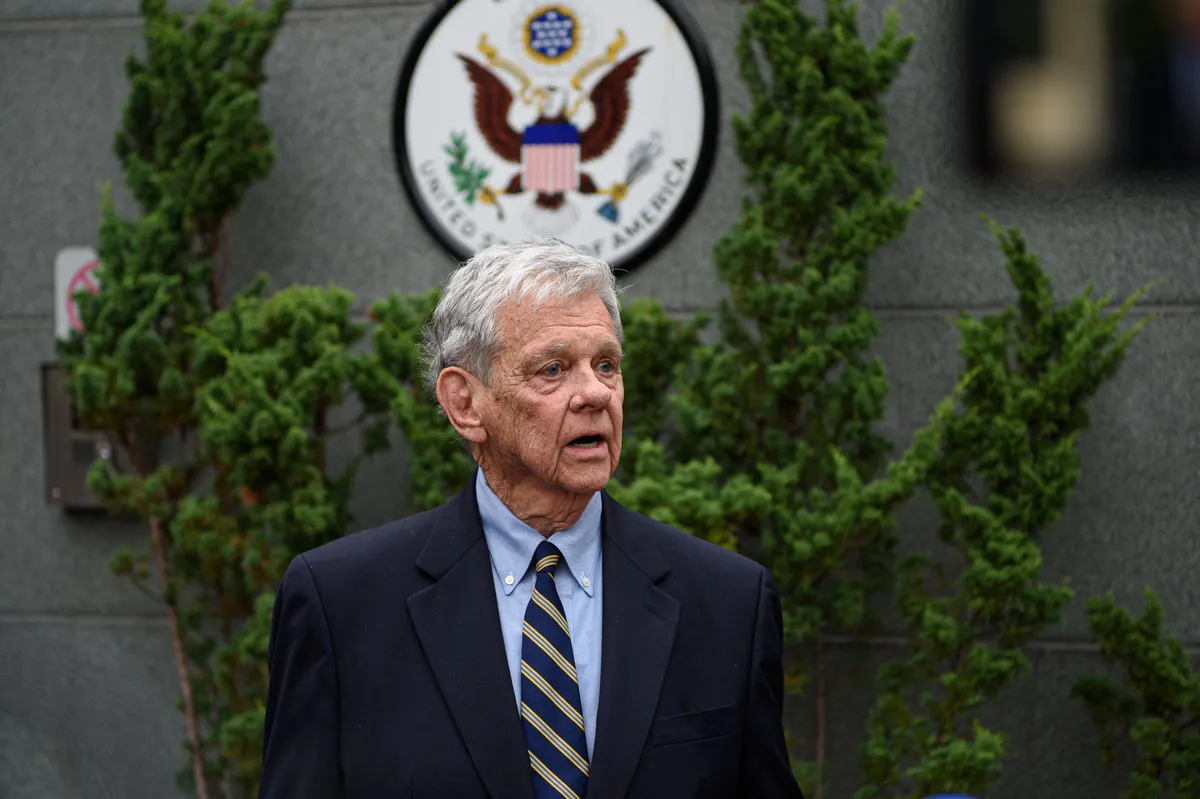
U.S. envoy John Coale's effort to restore access to Lithuanian ports for Belarusian potash shipments is not an agreed policy of the Trump administration, U.S. and European officials told the Kyiv Independent. They described the proposal as an initiative with little backing elsewhere in the administration.
Two officials familiar with the matter said Lithuania did not intend to change its position on permitting the shipments through its territory. A European official said the State Department had not raised the proposal with Lithuania, while a U.S. government official said neither the department nor the broader administration was pursuing it.
Washington announced in December 2025 that it was removing sanctions targeting Belarusian potash producers. That decision does not remove European restrictions: EU sanctions still bar member countries from trading in Belarusian goods. Renewal requires unanimity every 12 months, but Lithuania has no plans to block it, according to the Kyiv Independent.
The effort comes as the administration seeks substitutes for Canadian potash, which previously represented around 80% of U.S. supplies. Potash is used to make agricultural fertilizer, and Belarus was once one of its leading global suppliers.
White House officials defended the sanctions decision. An administration official linked it to Belarus's engagement with Washington and its continuing release of political prisoners, saying the United States regularly discusses commercial prospects with partners and allies. The official declined to discuss individual transactions.
Several U.S. officials criticized what they described as poorly coordinated foreign policy efforts within the administration. Coale did not answer repeated requests for comment.