Study maps seven stages of space rocks becoming meteorites
An analysis of 75 meteorite falls found that melting and fragmentation govern how incoming rocks lose material and slow down.
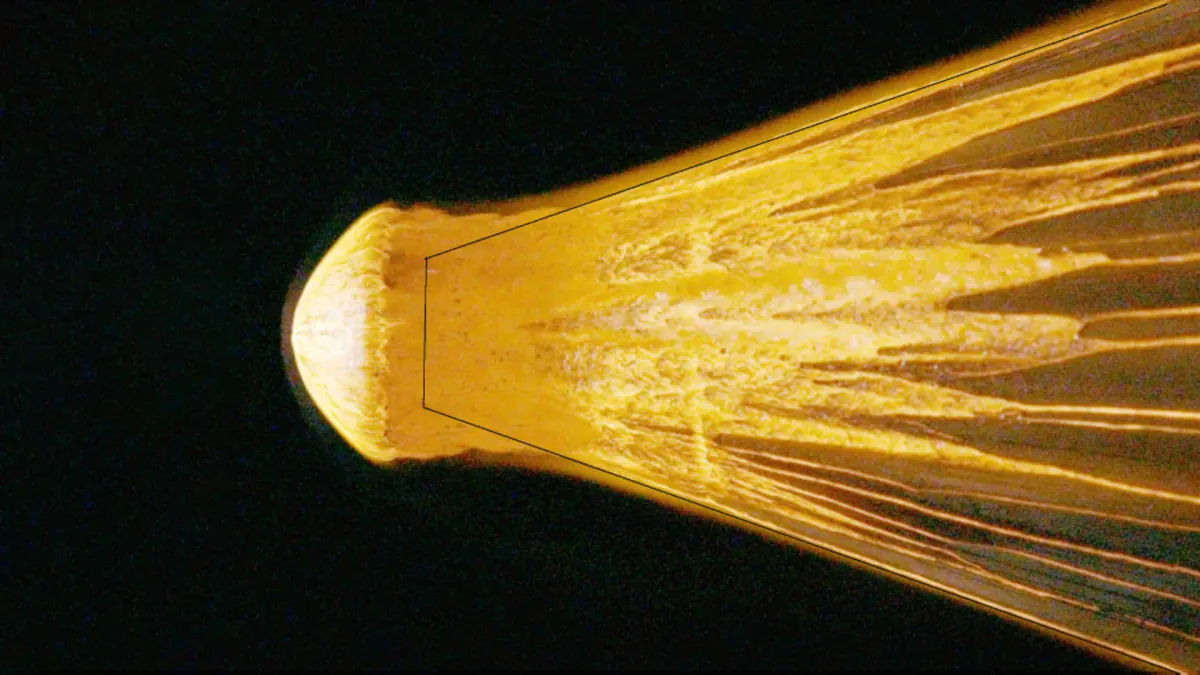
Melting and breakup, rather than evaporation alone, determine how space rocks shed mass during their passage through Earth's atmosphere, researchers found after studying images and videos of 75 meteorite falls. The team identified seven stages between atmospheric entry and the arrival of surviving fragments on the ground.
The study appears in Meteoritics & Planetary Science. Lead author Dr. Peter Jenniskens, a meteor astronomer at the SETI Institute and NASA Ames Research Center, said the findings challenge the earlier understanding that intense heating primarily causes solid rocks to evaporate.
The researchers found that airflow removes molten material from a rock's surface as it brightens into a fireball. Melting alone can account for the loss of as much as 40 percent of its initial mass, according to the team.
Breakup can begin when pressure on the front of a rock reaches about one-fifth of the strength measured in recovered meteorites. The researchers suggested that atmospheric heating and cracks from earlier collisions in space may explain this weakness. More extensive fragmentation makes the rock slow faster.
Modeling also linked fragment landing patterns to whether the main rock's rear remains intact. Its eventual breakup scatters pieces more widely. Surviving fragments continue losing speed until they stop glowing, with winds potentially altering their paths before landing. The researchers said these observations also help explain atmospheric explosions involving larger asteroids.