Ukraine receives €7.9 billion EU payment tied to reforms
The transfer follows more than 20 reforms required for EU membership, with a separate lending proposal due for discussion on Nov. 26-27.
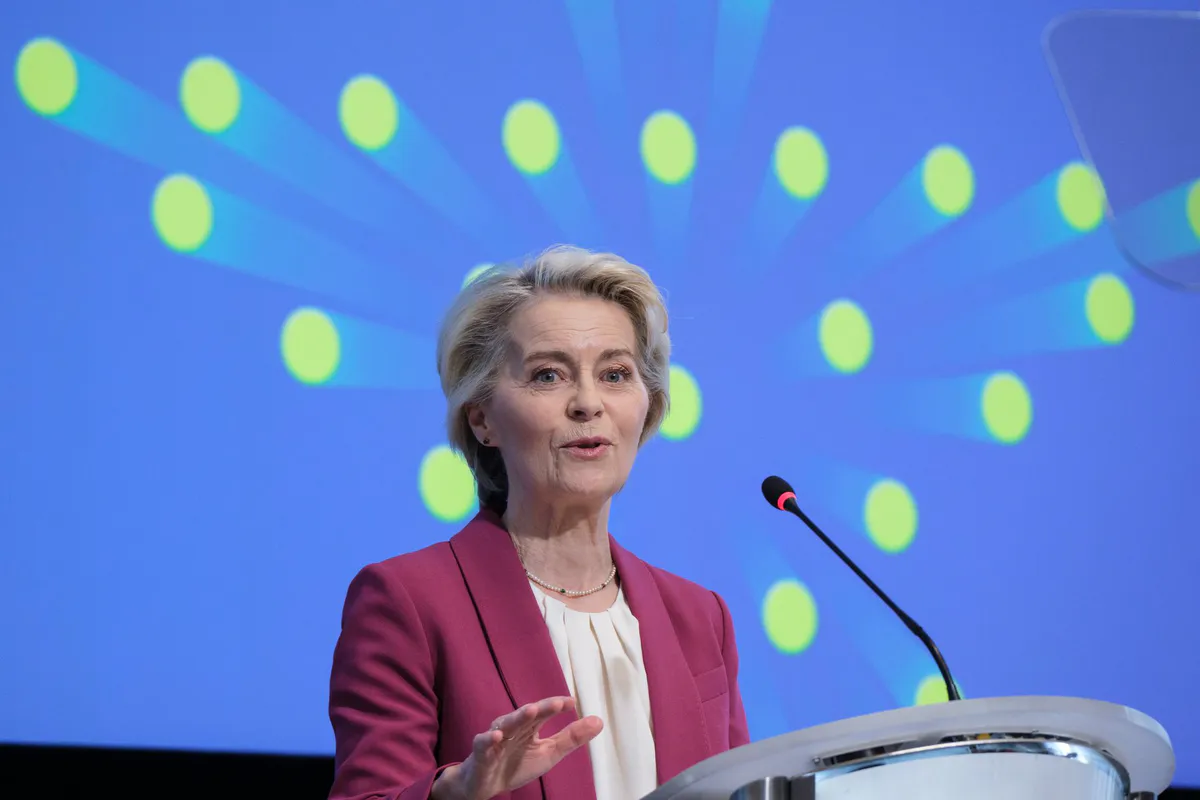
The EU transferred €7.9 billion to Ukraine on Nov. 20 in exchange for reforms undertaken by Kyiv. European Commission President Ursula von der Leyen said it was the largest payment the bloc had made under its reform-linked support.
Confirmation of the payment came on Nov. 16 after Ukraine fulfilled over 20 reforms required for EU membership. Those changes spanned anti-corruption measures, the judiciary, agriculture and energy, among other areas.
The disbursement is counted as the ninth under the Ukraine Facility when preliminary transfers preceding its formal launch are excluded. The program releases funding as Ukraine meets deadlines for reforms and will run through 2027.
Separately, the Commission has proposed lending Ukraine an additional €45 billion. If accepted, the proposal would direct €10 billion of that amount to the facility. It also envisages incentives enabling countries rated triple-A, the highest credit rating, to supply up to €5 billion more in low-cost financing for the same program.
The Commission’s lending proposal is scheduled for formal discussion by EU leaders during their Nov. 26-27 gathering in Brussels.