
Islam projected to become largest religion by 2035, study finds
Pew Research Centre forecasts growth in both Muslim and Christian populations, with higher fertility driving a faster increase among Muslims.
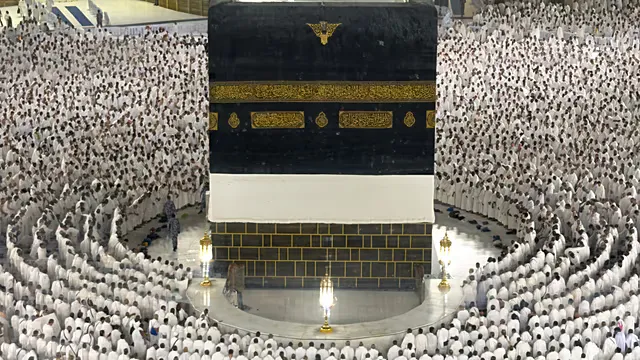
The global Muslim population is projected to overtake the Christian population by 2035, according to a new Pew Research Centre study. Its forecasts put the number of Muslims at 2.57 billion that year and Christians at 2.52 billion.
Pew expects both populations to expand over the coming decades, but attributes the faster projected growth among Muslims to higher fertility. For 2020-2025, the study found an average of 3.1 children per Muslim woman, compared with 2.5 children per Christian woman.
Across the remaining religious categories combined, women had an average of 1.6 children during that period. That was below the 2.1 children per woman considered necessary for generational replacement. The research covered 201 countries and territories, representing close to 100 percent of the global population, and examined the distribution and projected changes of seven religious groups and affiliations.
Christianity has been the largest religion globally for centuries. The study expects much of future population growth to take place in Africa, with the proportion of Christians worldwide living in sub-Saharan Africa projected to rise.