Deaf Nigerians seek support to preserve indigenous sign languages
Researchers warn that inadequate funding and documentation, alongside the dominance of formal sign languages, threaten some indigenous systems.
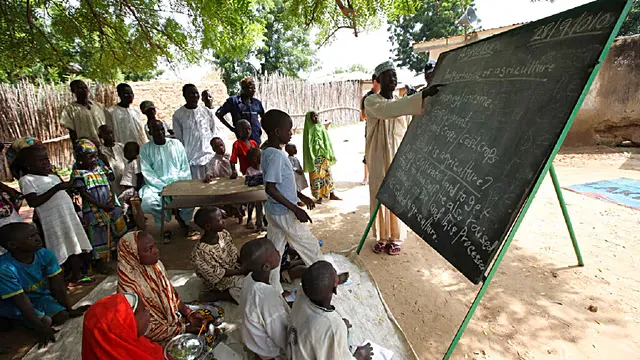
Activists in Nigeria are seeking investment and wider recognition for indigenous sign languages as deaf communities work to preserve them. Researchers say some of these systems could disappear because resources and documentation are scarce and formal sign languages are becoming more dominant.
In Abuja, Umaru Zayyanu, 37, communicates in Hausa sign language, widely used by deaf communities throughout northern Nigeria. He sees it as an expression of cultural identity and says deaf communities had languages of their own before formal schooling introduced sign language education.
Sanni Lawal, a deaf worker in a laundry, wants indigenous sign languages to reach people outside the communities where they are used and receive broader recognition.
Sign language researcher Taiwo Ajayi says recording and developing these languages is essential. He stresses their particular importance for deaf people without access to formal education. The activists’ appeal seeks to protect the diversity of languages used in Nigeria.