Japan to review gasoline subsidies amid funding concerns
The subsidy fund held about ¥560 billion at the end of September, but rising crude oil prices are expected to exhaust its resources soon.
Japanese Prime Minister Sanae Takaichi has asked industry minister Ryosei Akazawa to reassess subsidies for gasoline and other fuel oil, with the scale of assistance and a possible end to the program under consideration.
Speaking to reporters, Takaichi said lawmakers from both ruling and opposition parties had called for consideration of a gradual review or an exit strategy because of the burden on public finances. She said the government would remain flexible about subsidy amounts and whether to end the assistance.
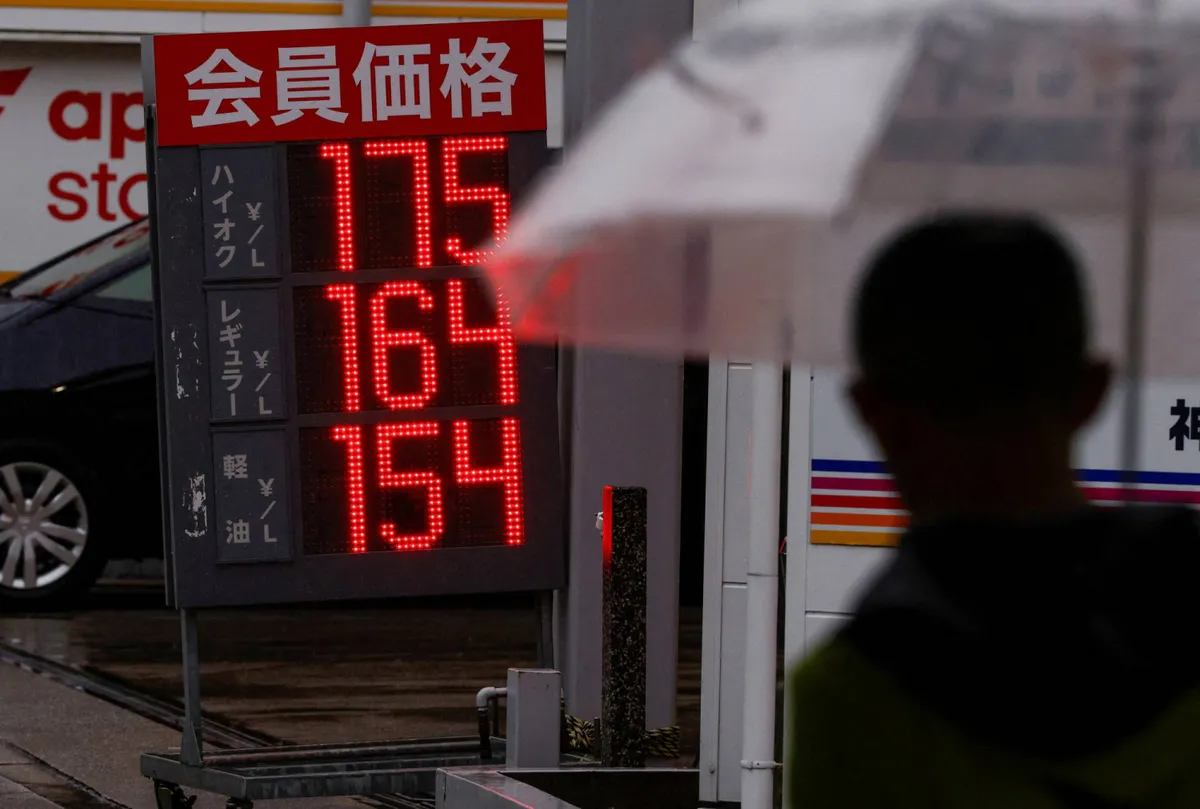
The government pays oil wholesalers to keep regular gasoline's nationwide average retail price at about ¥170 per liter amid turmoil in the Middle East. One option it has considered is increasing that target price.
About ¥560 billion remained in the subsidy fund at September's end. Higher crude oil prices are expected to deplete that money in the near future. Takaichi also directed government staff to seek the funding needed to keep the program operating.
Japan first introduced gasoline subsidies in 2022. After ending the assistance, the government brought it back in March as tensions persisted in the Middle East. Payments since its reinstatement total about ¥1.2 trillion.