Thailand orders waste plant checks after floods reveal pollution
Three facilities in Prachinburi were suspended after contamination complaints, while nationwide inspections have found regulatory violations at 300 plants.
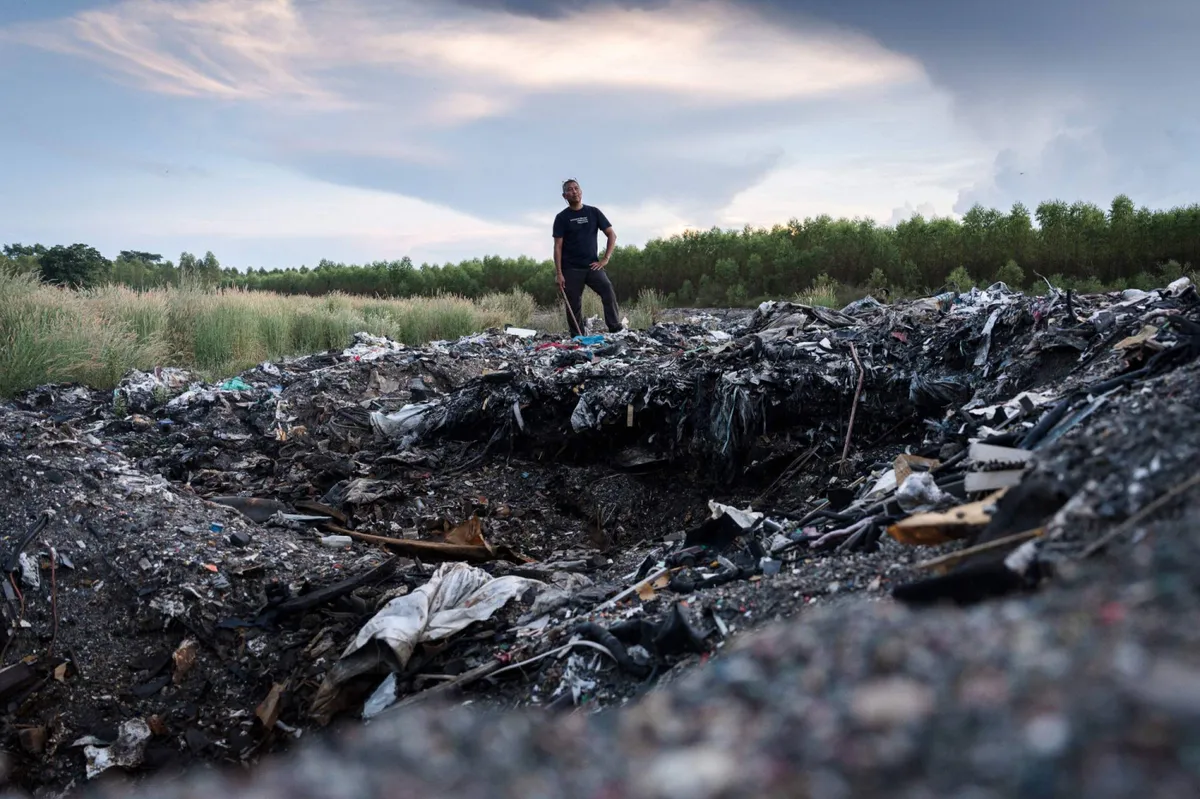
Thailand’s industry ministry has ordered 3,000 waste plants inspected after floods revealed pollution in Prachinburi province, where authorities halted operations at three facilities. Inspections across the country have so far found 300 plants violating regulations.
Tests by Thai authorities on water collected near a landfill in October detected petroleum hydrocarbons at unusually high levels and aluminum at toxic concentrations. Green Environment Technology, which operates the landfill, denied wrongdoing. The ministry temporarily closed the site after residents complained.
Floodwaters in September and October spread discolored, foul-smelling water through agricultural land and waterways in the eastern province. Resident Adisorn Lakonburee said he no longer caught fish for family meals and feared drinking tap water. Rice farmer Chalida Mongkon said her fields blackened and rotted once the flooding subsided.
Researcher Somnuck Jongmeewasin said his work had located more than 60 sites suspected of illegal dumping in Prachinburi in recent years. Environmental campaigners attribute the problem to a military junta order issued in 2016 that removed town-planning restrictions on waste facilities, permitting them in agricultural zones.
Navaporn Sanguanmoo of the Department of Industrial Works said expensive treatment made materials with little resale value especially susceptible to illegal disposal. She also said dumping penalties were insufficient to discourage offenders.
In early November, the government pledged broader testing for heavy metals in riverbed sediment. Somnuck warned that waiting could jeopardize evidence needed to determine responsibility.