Antarctic ice cliffs showed rapid retreat followed by stability, study finds
Satellite measurements of more than 15,000 cliffs suggest height alone cannot determine whether a collapse will trigger sustained ice loss.
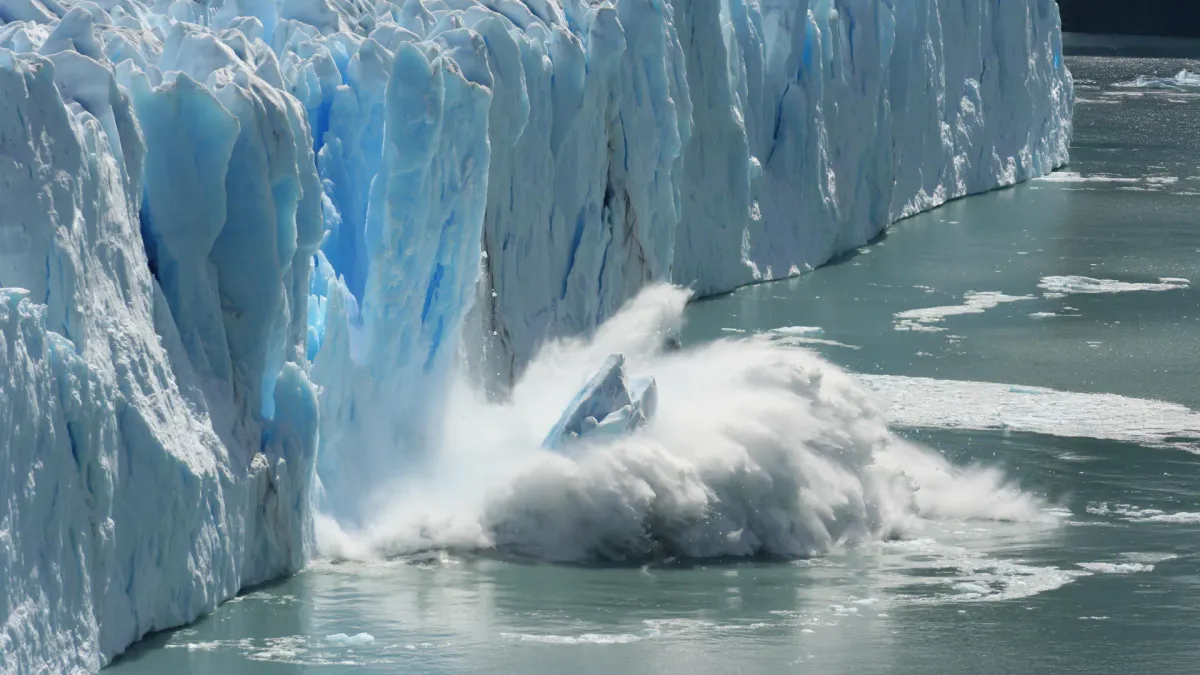
Some of Antarctica’s tallest ice cliffs collapsed and retreated faster than models predicted, but the glaciers subsequently stabilized rather than undergoing continuous collapse, researchers found. The study, published in Science, challenges predictions that cliffs above a certain height inevitably trigger an accelerating chain of ice loss.
Researchers from MIT and the Woods Hole Oceanographic Institution analyzed observations from NASA’s ICESat-2 satellite covering more than 15,000 Antarctic cliffs between 2019 and 2023. Measurements taken at three-month intervals showed an average height of approximately 30 meters. Only a small number surpassed the proposed instability threshold of 100 meters.
The team then examined four locations with particularly tall cliffs, the highest reaching 127 meters. Although collapses produced retreat substantially faster than existing marine ice cliff instability models anticipated, the glaciers later stopped retreating and advanced toward the ocean again.
Several factors appeared to interrupt further collapse. Retreat frequently halted where the underlying ground rose, reducing ice thickness. Taller cliffs also tended to become thinner more rapidly during collapse, leaving shorter walls that could better resist further failure, the researchers found.
The observations also linked relatively stationary cliffs to thicker accumulations of mélange, a mixture of sea ice and iceberg fragments. Deeper seawater could provide additional support through pressure against the cliffs, the findings suggested.
Study author Caroline Needell, a graduate student in the MIT-WHOI Joint Program, said models need to account for underlying terrain and ice-thinning rates. The findings do not rule out further Antarctic ice losses, but suggest that height thresholds alone are insufficient for projecting cliff instability and its contribution to sea-level rise.