Japan’s LDP proposes phased cuts to fuel subsidies
The ruling party wants the gasoline price benchmark raised by about ¥5 a month from December, while restoring support for winter electricity and gas bills.
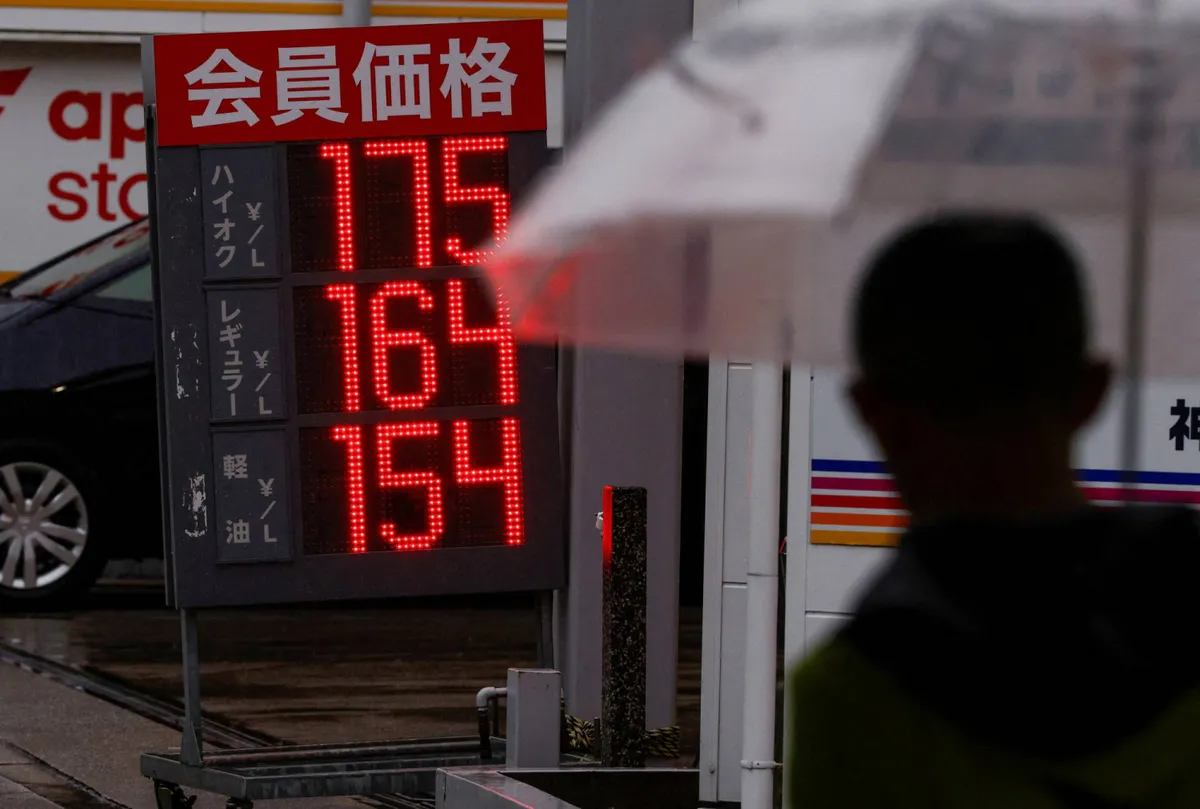
Japan’s ruling Liberal Democratic Party has drawn up a plan to scale back gasoline and other fuel subsidies, proposing monthly increases of about ¥5 in the benchmark price for regular gasoline beginning in December. The party plans to send the proposal to the government soon.
The benchmark, based on the national average retail price, is around ¥170 per liter. The subsidy is currently about ¥43 per liter. The LDP said the government should move toward a sustainable program through a smooth transition.
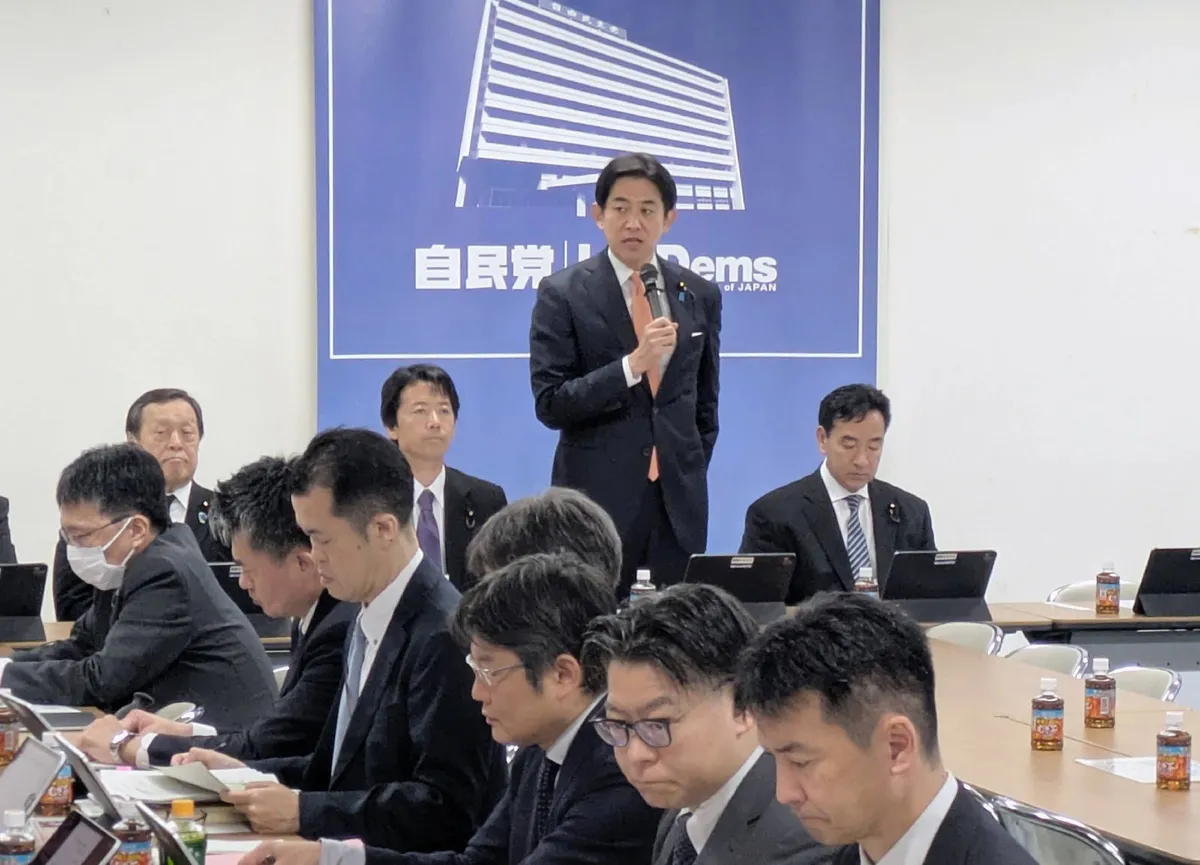
LDP policy chief Takayuki Kobayashi said gasoline subsidies were costing the government more than ¥10 billion daily. At the party meeting on Iran where the plan was compiled, he called for changes that take account of households and economic activity.
Concerns about the fiscal cost have prompted calls for an exit strategy. Prime Minister Sanae Takaichi has instructed industry minister Ryosei Akazawa to consider changes to the system.
Alongside the fuel subsidy cuts, the LDP sought renewed assistance with electricity and gas bills because of greater winter energy demand. Its proposal also included steps to limit increases in kerosene prices. Japan began subsidizing gasoline in 2022 under then Prime Minister Fumio Kishida.