Japan weighs easing bicycle child-seat restrictions
Safety tests will examine heavier loads as parents seek permission to carry children who have started elementary school.
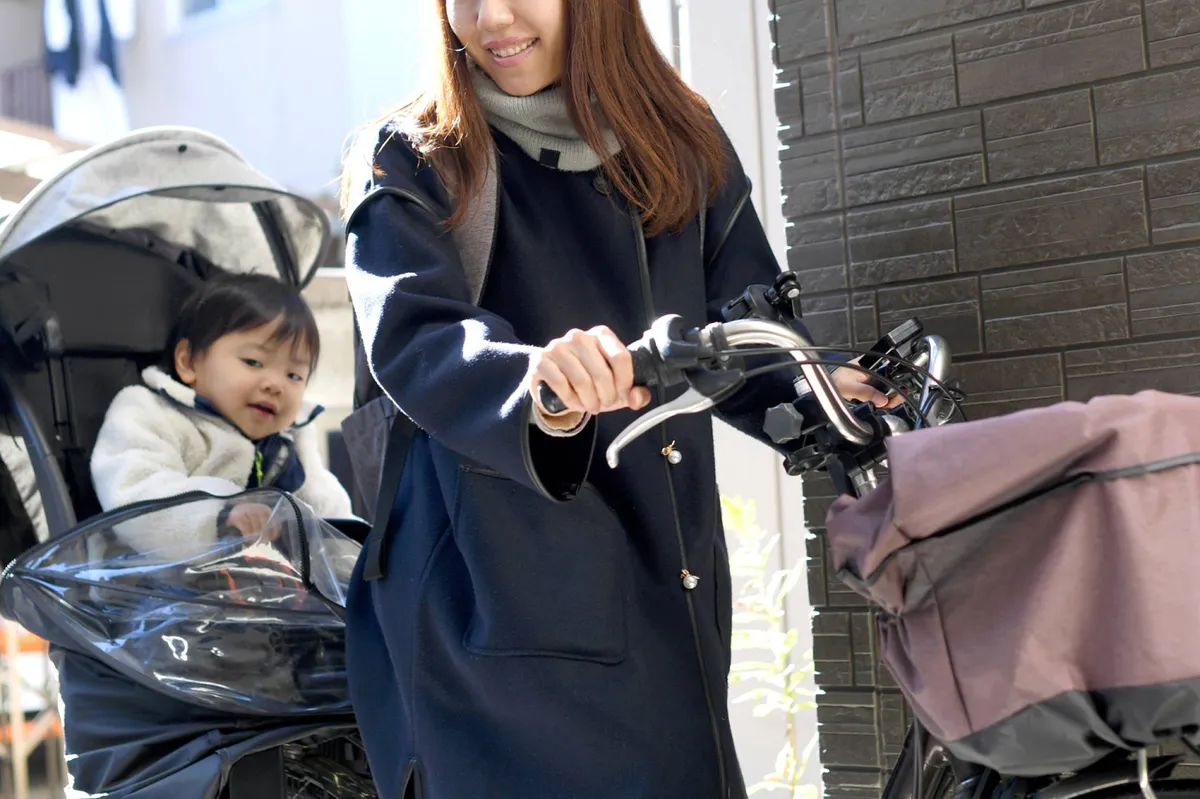
Japan is reviewing whether bicycle child-seat rules could accommodate older and larger children. An expert panel convened by the Japan Safe Driving Center has begun examining safety, with the National Police Agency to consider changes after reviewing its findings.
The current rules generally restrict child-seat passengers to children below elementary-school age. Parents have sought an easing for years, saying they still need bicycles for school drop-offs and medical appointments once their children begin elementary school.
The panel plans experiments with loads exceeding existing recommendations, examining handling, stability in motion and the likelihood of tipping during turns. Its discussions will cover safe passenger weights and the strength needed in bicycle structures. A report is planned by the end of March.
Guidance associated with the SG safety certification mark recommends a maximum child height of 120 centimeters and a maximum weight of 24 kilograms. Japanese law normally bars two people from sharing one bicycle, but prefectural regulations permit riders to carry up to two preschool-age children in appropriate seats.
Traffic engineering and data analysis professors are participating alongside Japan Bicycle Promotion Institute representatives. The National Police Agency and Tokyo’s Metropolitan Police Department will also participate. The agency plans to set revised requirements and communicate them to prefectural police.
Demands for looser restrictions increased after the April introduction of the “blue ticket” system, which allows on-the-spot fines for bicycle offenses, including unlawful tandem riding.