Belt and Road energy ministers emphasize green transition and security
A conference in Qingdao established a governing board for the energy partnership and presented a framework for developing countries.
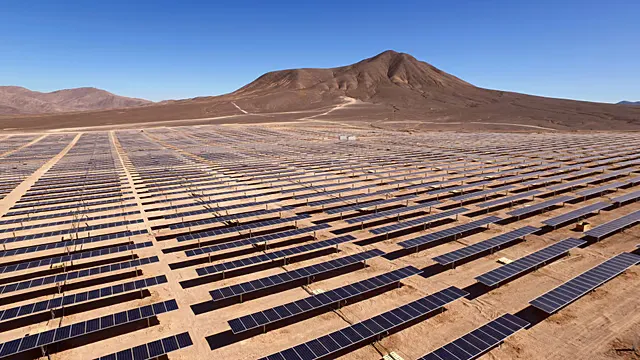
Energy ministers from countries participating in the Belt and Road Initiative emphasized cooperation on the green transition and global energy security at a two-day conference in Qingdao, eastern China. The meeting also formally established a governing board for the Belt and Road Energy Partnership.
The partnership, a multilateral platform under the initiative, now includes 35 BRI member countries. Its cooperation network encompasses nearly 300 enterprises. Discussions at the Fourth Belt and Road Energy Ministerial Conference covered innovation, resilient energy systems and efforts to reduce carbon emissions across industrial and supply chains.
Wang Hongzhi, administrator of the National Energy Administration of China, said the country was accelerating development of its new energy system. He said China aims by 2030 to have a cleaner system with lower carbon emissions, a better energy mix, greater resilience and more innovation.
A Blue Book presented at the conference groups developing countries into 16 types of energy systems using a four-dimensional evaluation framework. It offers tailored approaches involving technology, policy, finance and digital tools.
Zhou Yi, director of China Electric Power Planning and Engineering Institute, said countries should shape transition plans around their own circumstances while balancing emissions goals, security, resilience and affordability. He said the Blue Book recommends extending international cooperation beyond construction projects to include planning advice, alignment of standards, digital capabilities and stronger protection against risks.