Genetic study finds extinction risk signals in deep-sea animals
Researchers examining five species in the Gulf found genetic vulnerabilities, while climate models projected potential habitat losses of up to 70%.
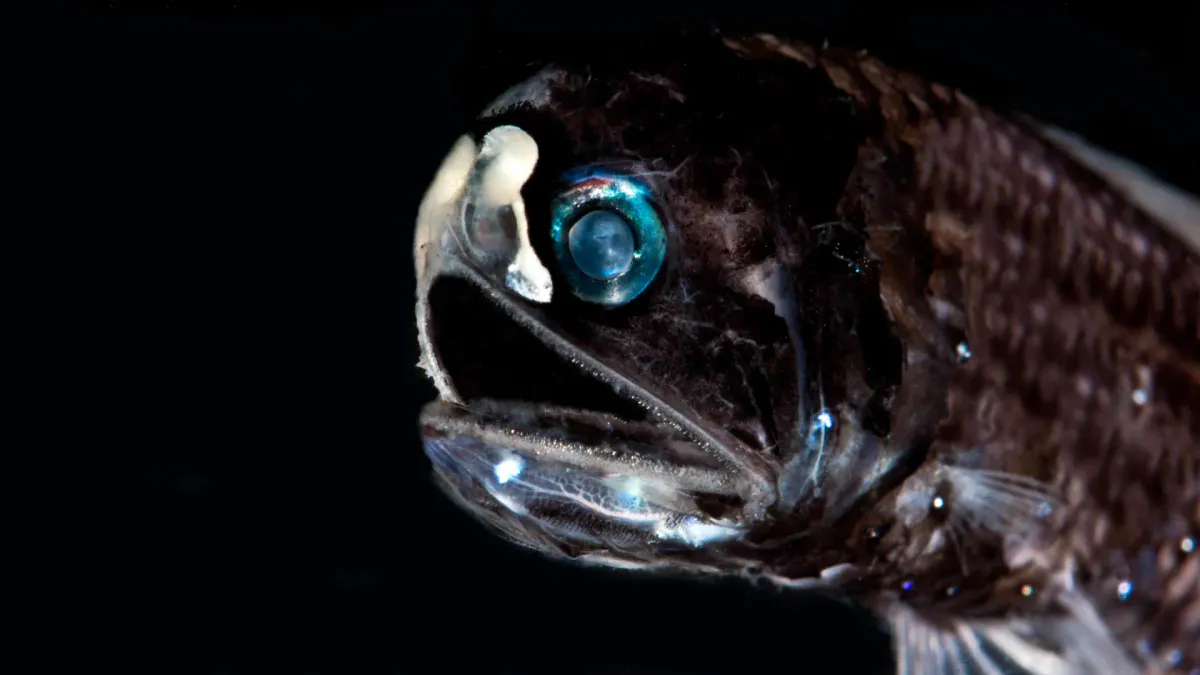
Five fish and shrimp species from deep waters in the Gulf show genetic traits associated with increased extinction risk, according to research led by Florida International University (FIU). The findings suggest that large habitats and abundant animals do not necessarily indicate genetically resilient populations.
FIU marine scientist Pedro A. Peres led the investigation, which analyzed DNA from 486 specimens collected between 2011 and 2023. The samples represented three lanternfish species and two deep-sea shrimp species living hundreds of meters beneath the surface.
Peres said all five species showed genetic warning signs. The lanternfish Diaphus dumerilii lost approximately 8% of its genetic diversity over 12 years. Researchers also found small effective population sizes across the species studied, meaning that relatively few individuals contributed genes to later generations—not necessarily that the animals were scarce.
Study co-author Heather Bracken-Grissom explained that genetic variation helps populations adjust to environmental shifts, withstand disease and recover after disturbances. Losing that variation can weaken their capacity to cope with future threats, she said.
Climate modeling for 2050 and 2100 suggested that four species could lose substantial amounts of suitable habitat, with potential losses reaching 70%. The researchers did not establish a direct connection between the observed genetic changes and the 2010 Deepwater Horizon oil spill. Peres said some populations may have been genetically vulnerable before the disaster.
The team called for genetic monitoring alongside biodiversity assessments, saying DNA changes could reveal risks that surveys focused on animal numbers might miss.