Kobe seeks vacant condo tax starting in fiscal 2030
Owners would pay 0.7% of a unit’s assessed value plus a charge tied to location and floor area under the proposal.
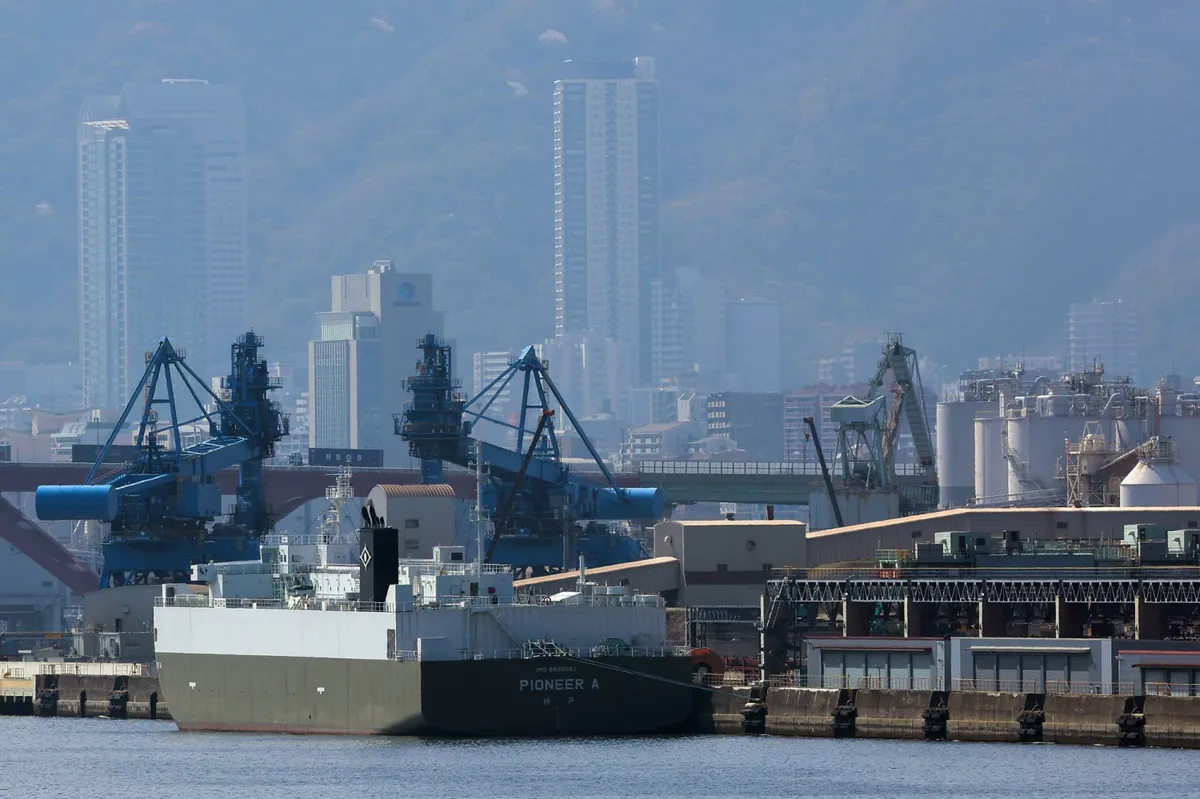
Kobe has submitted a draft ordinance to its city assembly seeking to tax owners of vacant condominiums in central neighborhoods. The municipal government aims to begin the levy in fiscal 2030 to discourage investment-related vacancies and encourage housing use.
The proposal covers units with no registered residents in designated areas, including the Sannomiya and Motomachi districts. If approved, it would make Kobe the first city in Japan to impose a tax specifically on vacant condominium units.
The charge would have two components: 0.7% of each unit’s assessed value and a further sum determined by floor area and location. Its classification as a non-statutory ordinary tax would leave the city free to decide how to spend the proceeds.
Owners could receive reductions or exemptions for temporary registration gaps linked to inheritance, relocation or other circumstances. Units listed for rent for no longer than a year would also qualify for relief.
City officials say investment and asset-holding purchases are leaving more units unoccupied despite rising demand for central housing. An expert panel established by Kobe in 2025 has considered measures to improve condominium management.