Uruguay rules out announcing CPTPP accession in 2026
The government aims to finish technical negotiations by year-end but says businesses and unions will be consulted before it moves forward.
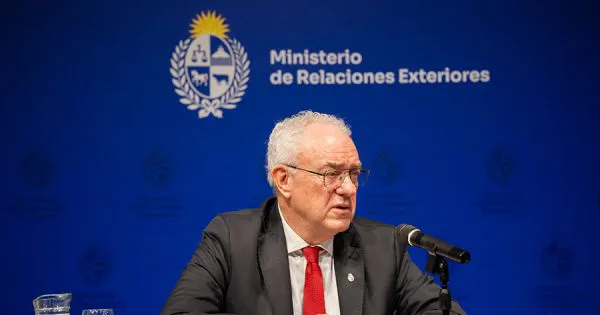
Uruguay will not announce a decision to join the Comprehensive and Progressive Agreement for Trans-Pacific Partnership (CPTPP) in 2026, Foreign Minister Mario Lubetkin said. He said the government would consult businesses and trade unions before proceeding, as industrial unions oppose the terms being negotiated.
According to Ámbito, Lubetkin said officials were examining the agreement's requirements against Uruguay's laws. Technical negotiations are targeted for completion by year-end. Deputy Foreign Minister Valeria Csukasi, who leads the process, said upcoming meetings in Vietnam involving chief negotiators and trade ministers would be decisive for the timetable.
The Confederation of Industrial Unions says removing tariffs would damage clothing, footwear, metalworking, plastics and auto parts producers. It also raised concerns about government purchasing, the operations of state-owned companies UTE, Ancap, Antel and OSE, and potential foreign-investor claims against the state.
The confederation wants an assessment of the effects on individual sectors and at least 15 years for tariffs to be phased out. Major business chambers are waiting for details from the government about the proposed terms. The CPTPP has 12 members, among them Japan, Australia, Canada and the United Kingdom.
Uruguay's December schedule also includes Mercosur meetings. Punta del Este will host the inaugural Mercosur-European Union business forum on December 2, followed by the first meeting of the interim EU agreement's Trade Council on December 3. Montevideo will host Mercosur's 69th heads-of-state summit on December 4, when Uruguay will transfer the bloc's rotating presidency.
Members have yet to agree how to divide preferential-tariff export quotas for the EU. Paraguay supports equal shares; Uruguay and Argentina favor using members' EU trade, while Brazil favors their global trade. Lubetkin said Paraguay's political crisis and an anticipated Brazilian cabinet change were delaying discussions, with no summit decisions expected.