Study challenges view of ancient Europe as an unbroken forest
Researchers say large herbivores helped sustain open areas alongside woodland, raising questions about restoration focused on dense tree planting.
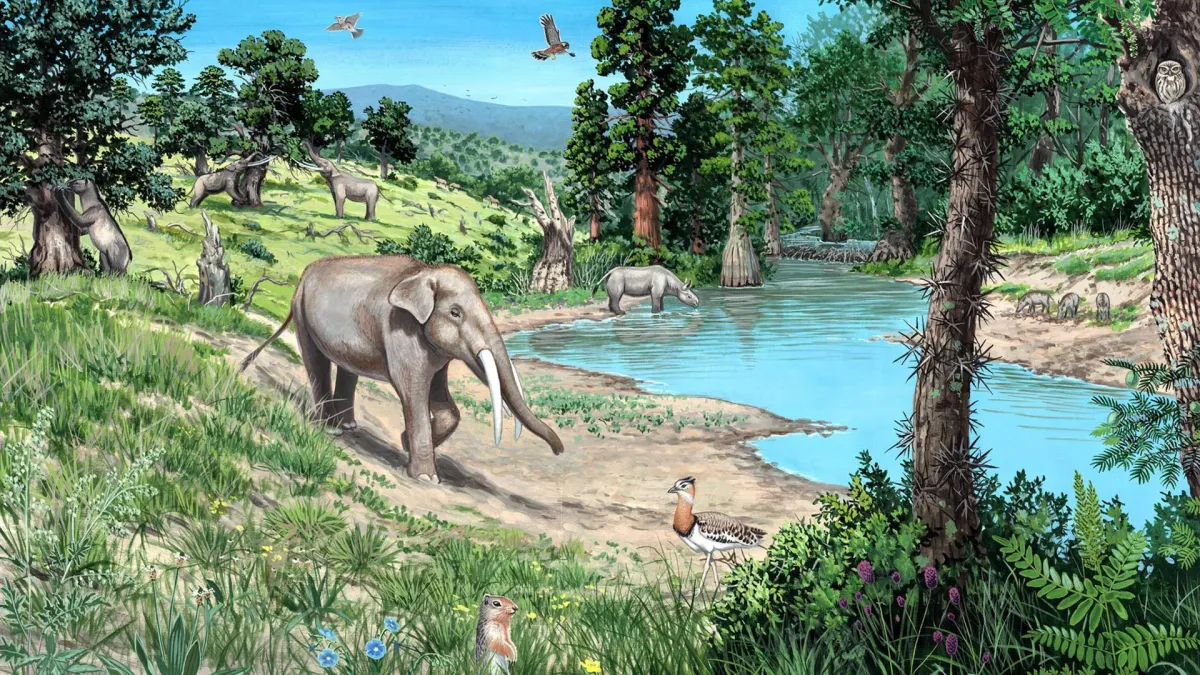
A study led by Aarhus University suggests Europe was largely a patchwork of woodland, shrubs and grassland for more than 20 million years, rather than a continent blanketed by dense forest. The researchers found that grazing animals played an important part in keeping some areas open.
The findings, published in Biological Conservation, draw on records stretching from the Miocene epoch, beginning around 23 million years ago, to pre-industrial times. Mixed habitats appeared across that span in warmer and colder climates as well as temperate conditions, the team found.
To reconstruct those environments, the researchers combined several kinds of evidence: pollen and plant remains, charcoal from fires, insect and mammal fossils, and DNA preserved in sediments. They also analyzed chemical traces in herbivore teeth and bones.
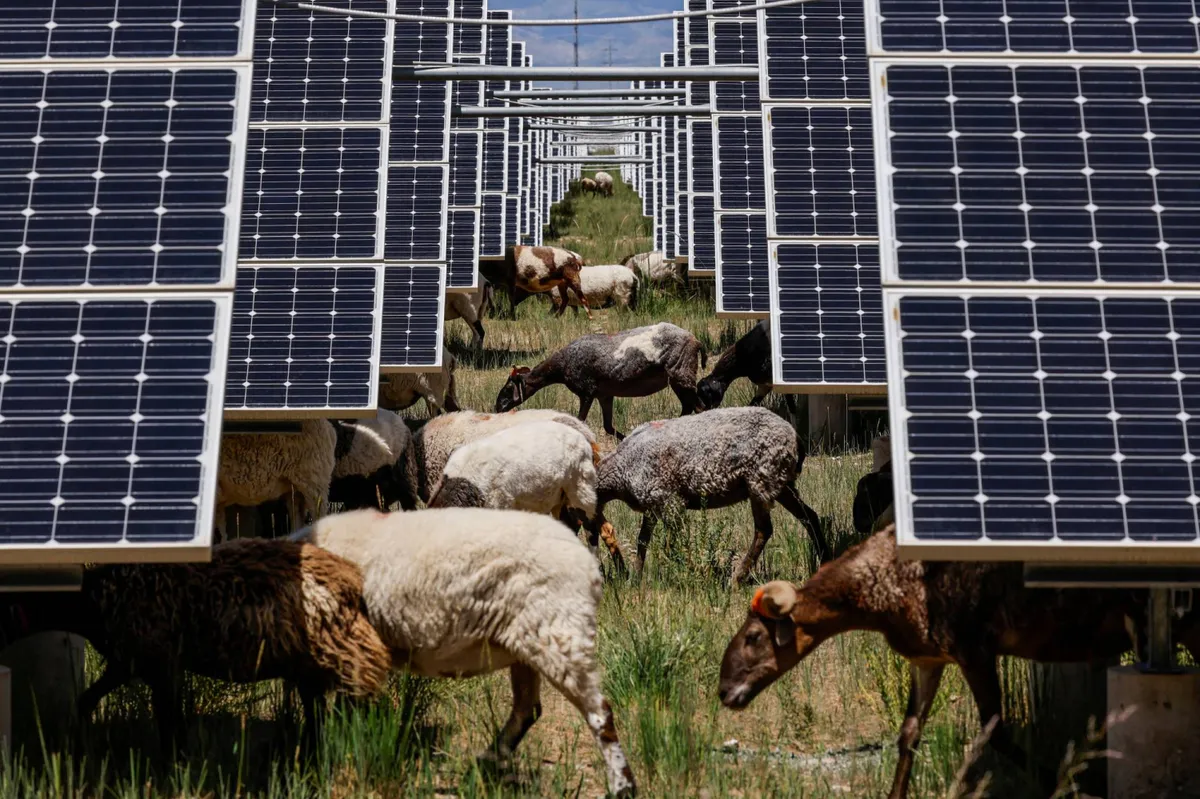
Animals including bison, aurochs, rhinoceroses and elephants prevented some vegetation from becoming dense by feeding and disturbing the ground, according to the study. Lead author Szymon Czyzewski, an ECONOVO PhD student at Aarhus University, said the disappearance of extensive traditional grazing across large areas over the last hundred years marked a particularly significant change.
Senior author Jens-Christian Svenning, a professor at Aarhus University’s ECONOVO center, said restoration should give more attention to combinations of open land and woodland, including habitats influenced by wild herbivores. The researchers argue that uniformly dense tree planting could limit habitat variety for species that evolved in more open settings.