DNA testing identifies beetle behind blueberry root damage
North Carolina researchers are testing insecticides after identifying a pest for which no treatments are currently labeled for use in blueberries.
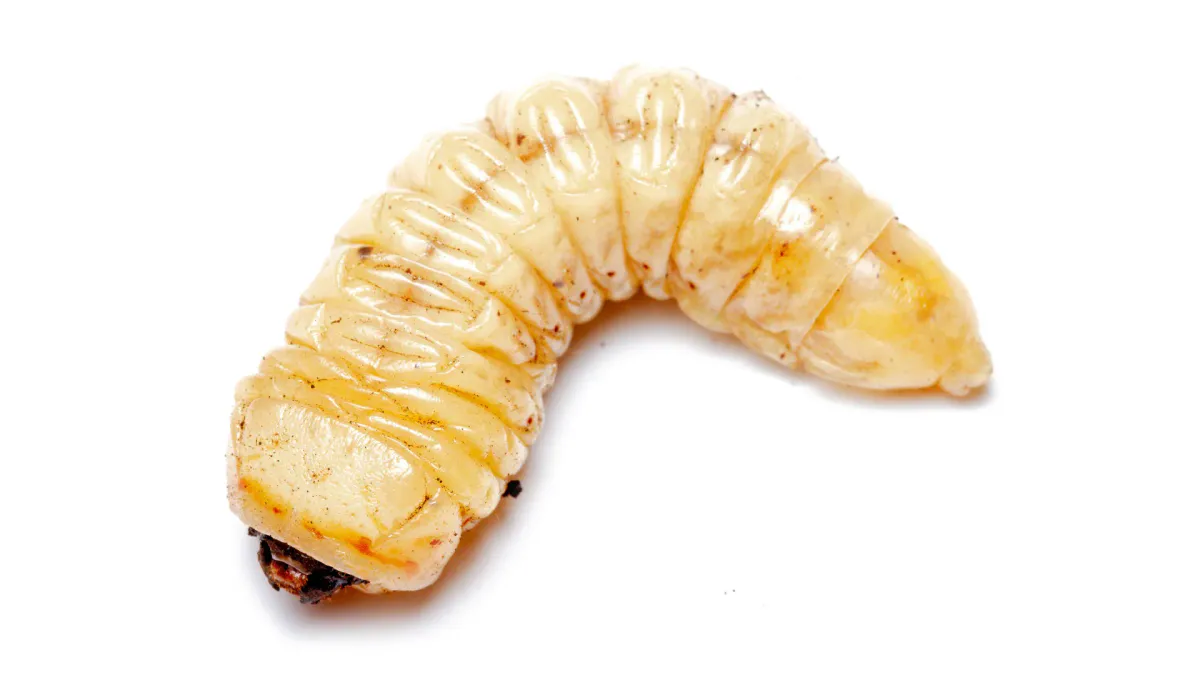
DNA comparisons have identified the longhorn beetle Prionus imbricornus as a pest attacking blueberry roots in North Carolina, according to researchers at North Carolina State University. The insect's larvae live below ground, can reach five inches in length and can cause enough root damage to kill bushes.
Study co-author Lorena Lopez, an assistant extension professor at NC State, said no insecticides currently carry labeling for controlling this pest on blueberries. She has started testing possible treatments. Researchers hope that targeting the beetles' reproductive cycles will allow them to interrupt larval development before substantial damage occurs.
For the identification work, scientists sampled six blueberry farms across four counties: Bladen, New Hanover, Pender and Sampson. They caught adult beetles in black panel traps baited with sex pheromones, then compared adult and larval DNA through genetic barcoding. The resulting match with P. imbricornus was 98 to 99 percent.
Reports dating to 2010 had linked unidentified Prionus larvae to damaged blueberry roots. Their underground habitat made investigation difficult, while similarities among longhorn beetle larvae complicated identification by appearance. Lead author Kenneth Geisert, a graduate student at NC State, said incorrect identification could result in unsuitable control measures and harm to non-target insects.
The researchers reported their findings in the Journal of Integrated Pest Management. North Carolina is the first state where feeding by P. imbricornus on blueberry bushes has been documented.