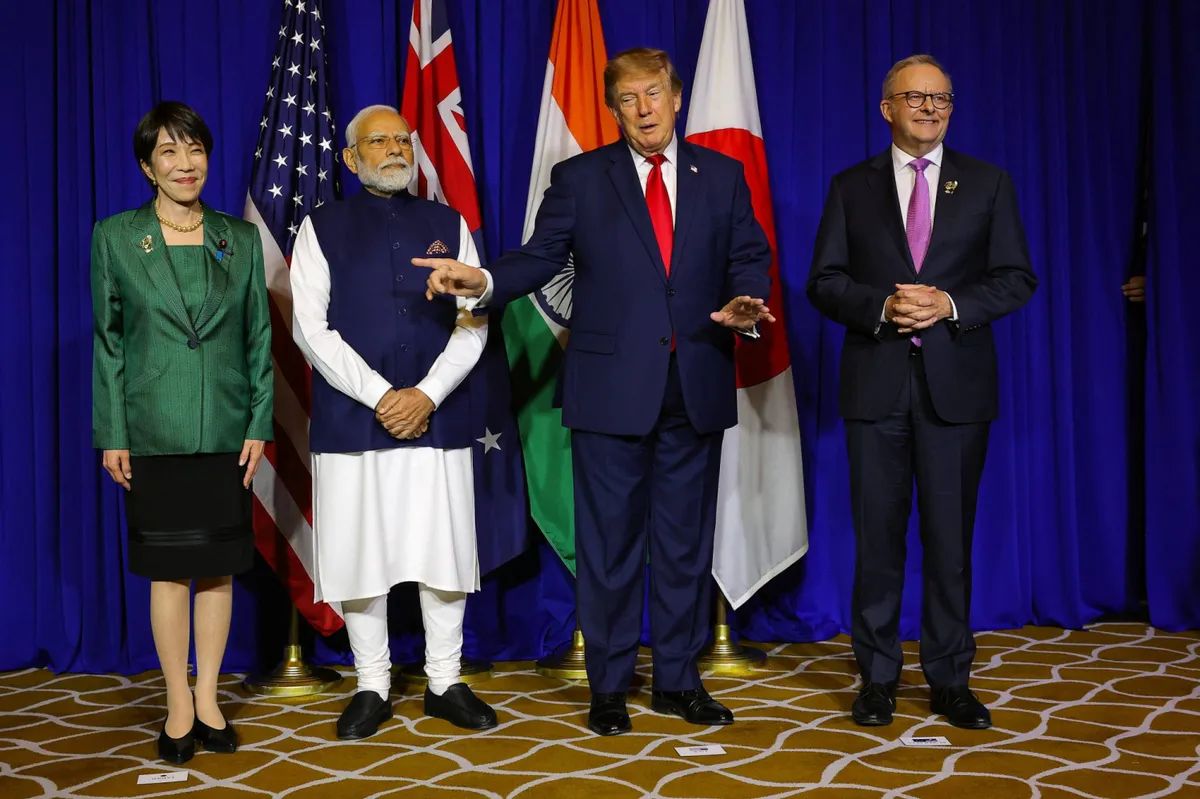
Pennsylvania adopts disclosure rules for misleading AI ads
The law takes effect on 21 December and allows courts to impose civil fines of up to US$3,000, along with attorney fees and court costs.
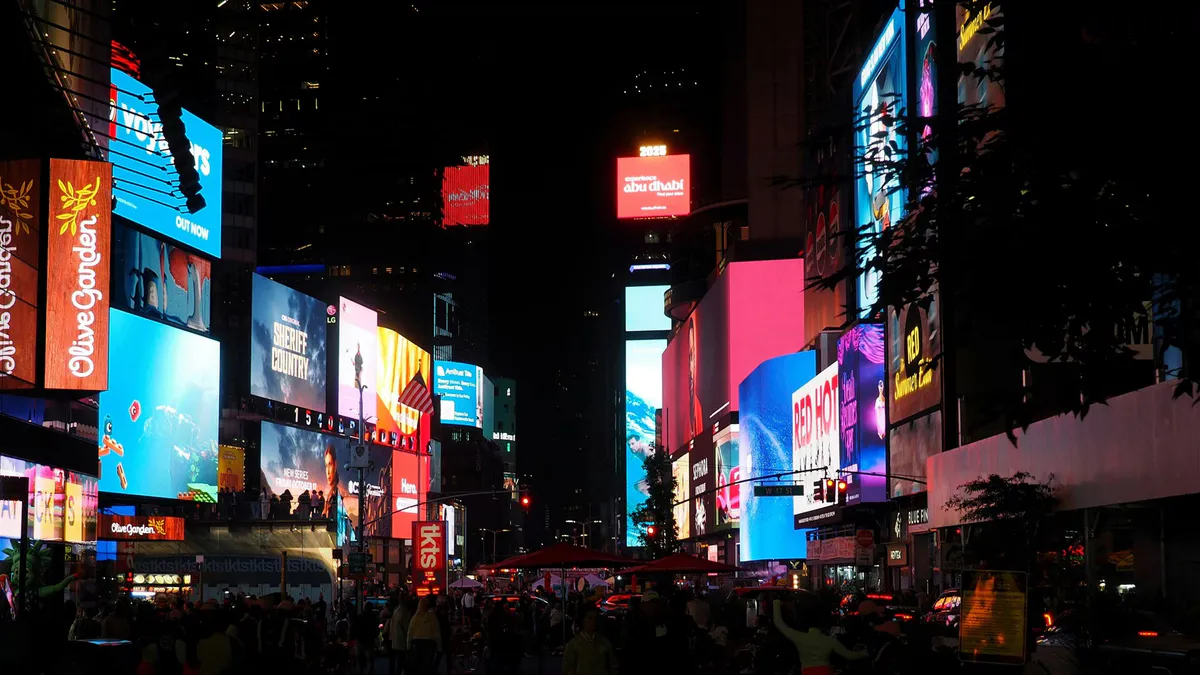
Pennsylvania advertisers will face disclosure requirements when AI-generated or altered material gives consumers a misleading impression of products or services. Governor Josh Shapiro signed the Artificial Intelligence Deceptive Advertising Act on 22 October, making it Act 99 of 2026, according to General Assembly records.
The measure prohibits advertisers from knowingly, recklessly or willfully using covered content without disclosure when it misrepresents the nature, origin or authenticity of what they sell. Its definition of synthetic content includes images, video, audio and text substantially altered or generated by AI, although text-only material is exempt.
Disclosures must identify AI involvement when consumers first encounter the content and use the ad’s medium. Where technology allows, labels must remain permanent or difficult to remove. Spoken notices must be understandable in volume and pace, screen notices must allow enough reading time, and printed labels must contrast with their backgrounds.
Other exemptions cover obviously fictional material, parody, satire, commentary and criticism. Enforcement falls to the state attorney general or district attorneys, who can pursue injunctions or civil actions. Courts may impose fines reaching US$3,000, as well as attorney fees and court costs.
State senator Nick Pisciottano introduced the legislation in June 2025. Senators approved it 48 to 2 in June, followed by a 163 to 40 House vote on 7 October. The requirements take effect on 21 December, 60 days after enactment.