Fed staff model AI scenarios spanning stronger growth and a downturn
Chairman Kevin Warsh said the scenarios are not predictions and warned that AI could increase threats to critical infrastructure.
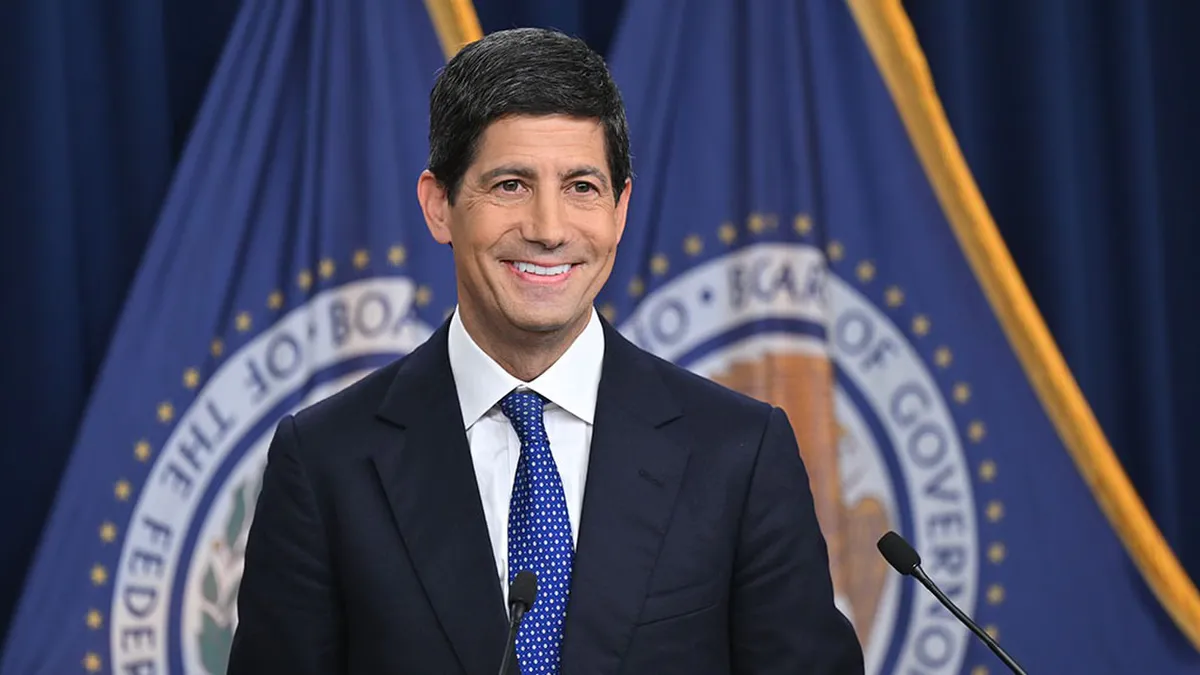
Federal Reserve staff are modeling possible paths for the US economy under artificial intelligence, chairman Kevin Warsh said, examining outcomes ranging from higher productivity to an investment-led downturn. Speaking at a Fed conference in San Francisco, he stressed that the exercises illustrate possibilities rather than predict outcomes.
One scenario envisages productivity improvements benefiting both employees and capital owners. Warsh said real GDP would expand faster than its long-run average under that scenario, while employment would remain near its full-employment level.
A second scenario also features above-average growth, but with AI replacing workers instead of helping them do their jobs. In that case, automation and difficulties adjusting within the labor market would leave unemployment above levels consistent with full employment.
The third considers disappointing AI performance after substantial investment and rising share prices. Warsh said weaker expected returns and falling valuations could slow the economy and increase unemployment. Recovery would follow, but the anticipated productivity improvements would not materialize.
Warsh also warned that AI strengthens malicious actors, highlighting vulnerabilities in critical infrastructure. During a panel he moderated, Palo Alto Networks CEO Nikesh Arora said the technology enables attackers to uncover weaknesses in software code written over the past 50 years.
The discussion also covered hiring. Affirm CEO Max Levchin said its engineers were about five times more productive and that AI had caused no layoffs at the company. Stripe co-founder Patrick Collison said his company was hiring fewer general and administrative staff but more engineers and salespeople.