Netherlands outlines €1.2 billion in civilian aid for Ukraine
Funding will be distributed from 2027 to 2029, with most of the package supporting Ukraine’s energy and water sectors.
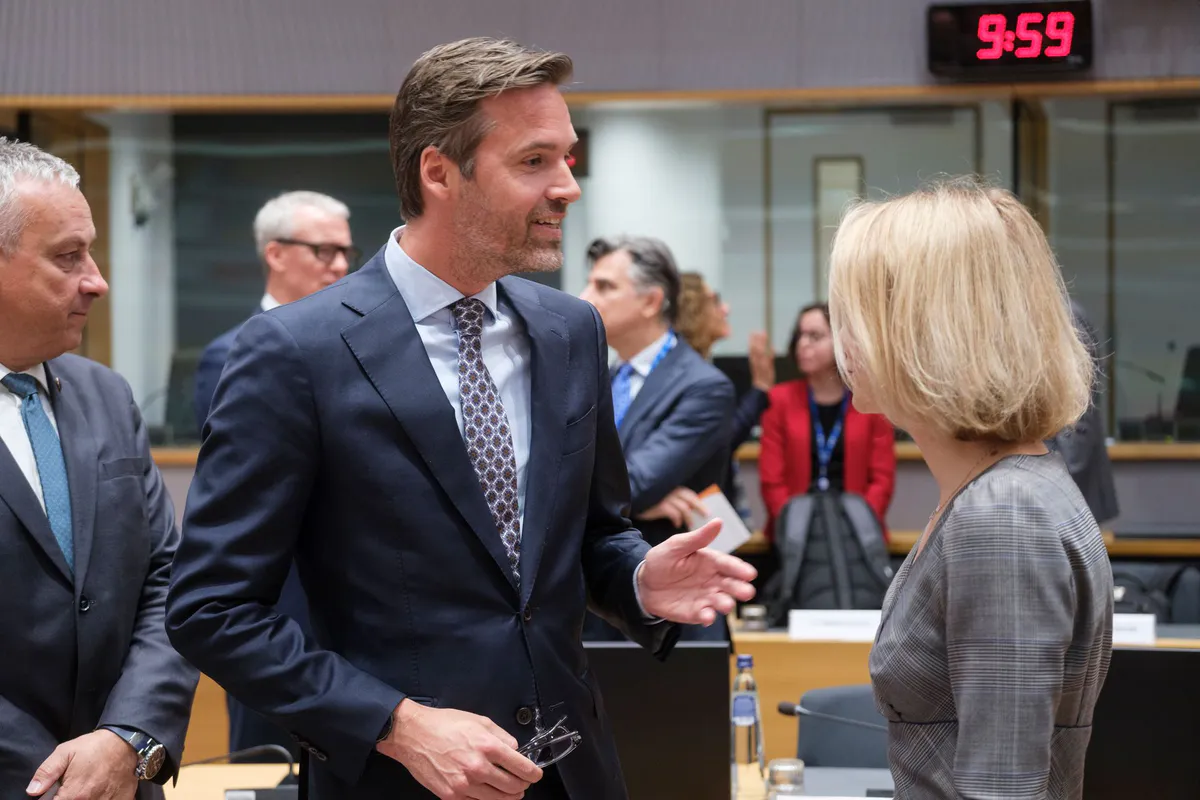
The Dutch government set out details on Oct. 28 of €1.2 billion in non-military assistance for Ukraine’s economic recovery, with payments scheduled for 2027 to 2029. The announcement accompanied a visit to Kyiv by Dutch Foreign Trade Minister Sjoerd Sjoerdsma.
Most of the money is intended for energy and water services. The assistance includes €40 million for the Ukraine Energy Support Fund and €55 million for energy equipment supplied by Dutch companies through the Netherlands Enterprise Agency.
Private-sector assistance is also part of the package. Sjoerdsma plans to sign a memorandum with Economy Minister Oleksandr Kravchenko covering €10 million for Ukraine’s Ramstein initiative, which aims to rebuild and modernize its industrial base. A substantial share of the overall aid will pass through the European Bank for Reconstruction and Development, the World Bank and the European Investment Bank.
The package combines €878 million previously set out in the Dutch coalition agreement with €327 million announced on Sept. 15. It is separate from military assistance. Sjoerdsma said reconstruction should not be delayed until a ceasefire and that Dutch support would adjust as Ukraine’s needs changed.