
Nairobi tree losses continue amid construction boom and court challenges
A court halted a proposed car park at Nairobi National Park after 4,642 activists filed a lawsuit, while other developments continue across the capital.
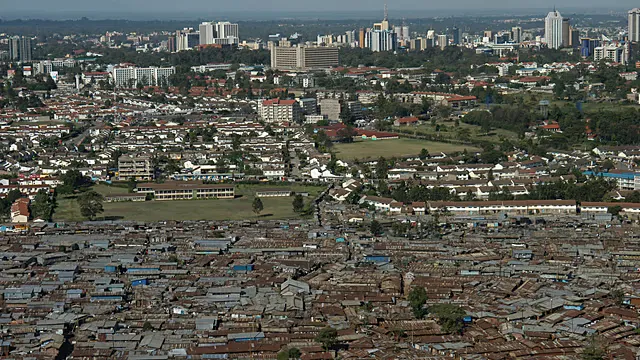
Trees are being cleared for road expansion and other construction in Nairobi as development puts pressure on the Kenyan capital’s green spaces. Some projects have faced protests and lawsuits, with the Environment and Land Court issuing conservatory orders on October 27, 2026, to stop work on a proposed Nairobi National Park car park.
The court acted after 4,642 activists brought a lawsuit challenging the project. Elsewhere in Nairobi, dozens of public and private developments remain underway, and tree felling continues. Population growth has driven a decade of construction activity: private building completions in the city reached 25,090 in 2025.
Nationally, construction expanded by 6.8% in 2025, compared with 0.7% the year before, according to Kenya’s Treasury. Nickson Otieno, an architect and sustainability practitioner at consultancy Niko Green, said protected areas should remain undeveloped. Where building is permitted, he said, decisions should explicitly consider how many existing trees and how much biodiversity to preserve.
The changes also affect urban wildlife. Marabou storks, which previously relied mainly on trees for nesting and perching, now also use buildings and billboards. Ornithologist John Musina said bird numbers offer an indication of a city’s environmental health and can help reveal conditions affecting other life within a habitat.
Environmental law advocate Kelvin Kubai said Nairobi’s green character had eroded over the past decade. He attributed that loss to developers who regard trees as barriers to construction rather than an established part of the city.