Japan ties wider US potato access to agreement on pest safeguards
Opposition is growing in Hokkaido, which produces about 80% of Japan’s domestically grown potatoes and is home to the new agriculture minister’s district.
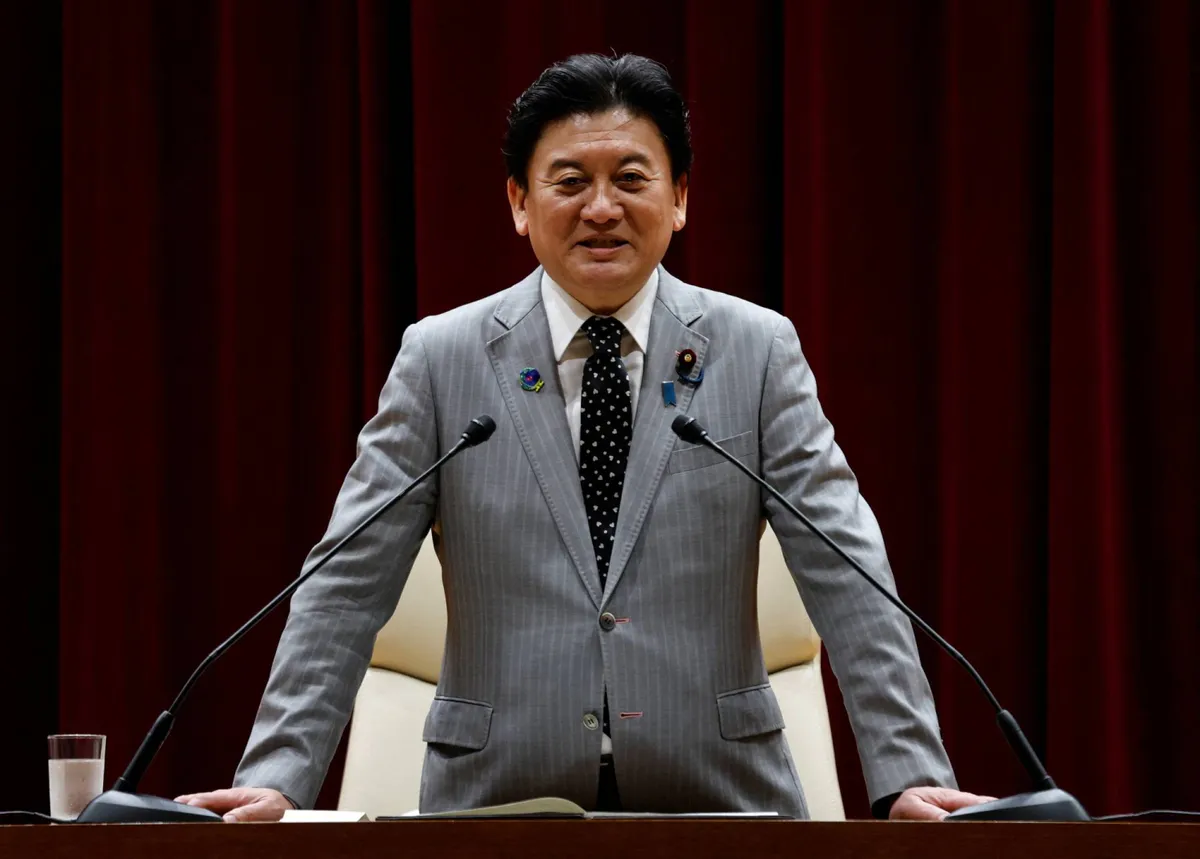
Japan will retain its restrictions on fresh U.S. potatoes until scientific negotiations produce an agreement on managing pest risks, agriculture minister Arata Takebe told parliament on Oct. 16. He said addressing risks associated with 21 types of pests and diseases would take considerable time.
Most fresh potatoes cannot enter Japan, although imports for potato chip production are permitted. The agriculture ministry is working toward eventually ending the ban. In August, it identified 21 types of potato pests and pathogens and recommended tougher quarantine measures and risk-management procedures should the restrictions be lifted.
Takebe represents a Hokkaido constituency, where resistance to expanded imports is growing. Statements opposing the change or expressing concern have been issued by at least 50 municipalities out of the prefecture’s 179. JA Group Hokkaido also opposes lifting the ban, while Gov. Naomichi Suzuki said he could not support more imports without comprehensive government measures addressing disease and pest concerns.
American producers are seeking broader access to the Japanese market. Ahead of President Donald Trump’s March meeting with Prime Minister Sanae Takaichi, a bipartisan group of 68 congressional representatives asked Trump to press the issue. Their letter estimated that opening the market to fresh potatoes would bring US$150 million annually in additional American exports and challenged the scientific basis for Japan’s restrictions.
Takebe said negotiations would be guided by the World Trade Organization Agreement on Sanitary and Phytosanitary Measures. The agreement allows members to guard against agricultural pests and plant disease, but requires protective measures to be necessary and scientifically grounded.