
Japan plans resignation procedure for incapacitated governors and mayors
Deputies would base decisions on independent medical diagnoses and report them to local assemblies under the ministry’s planned policy.
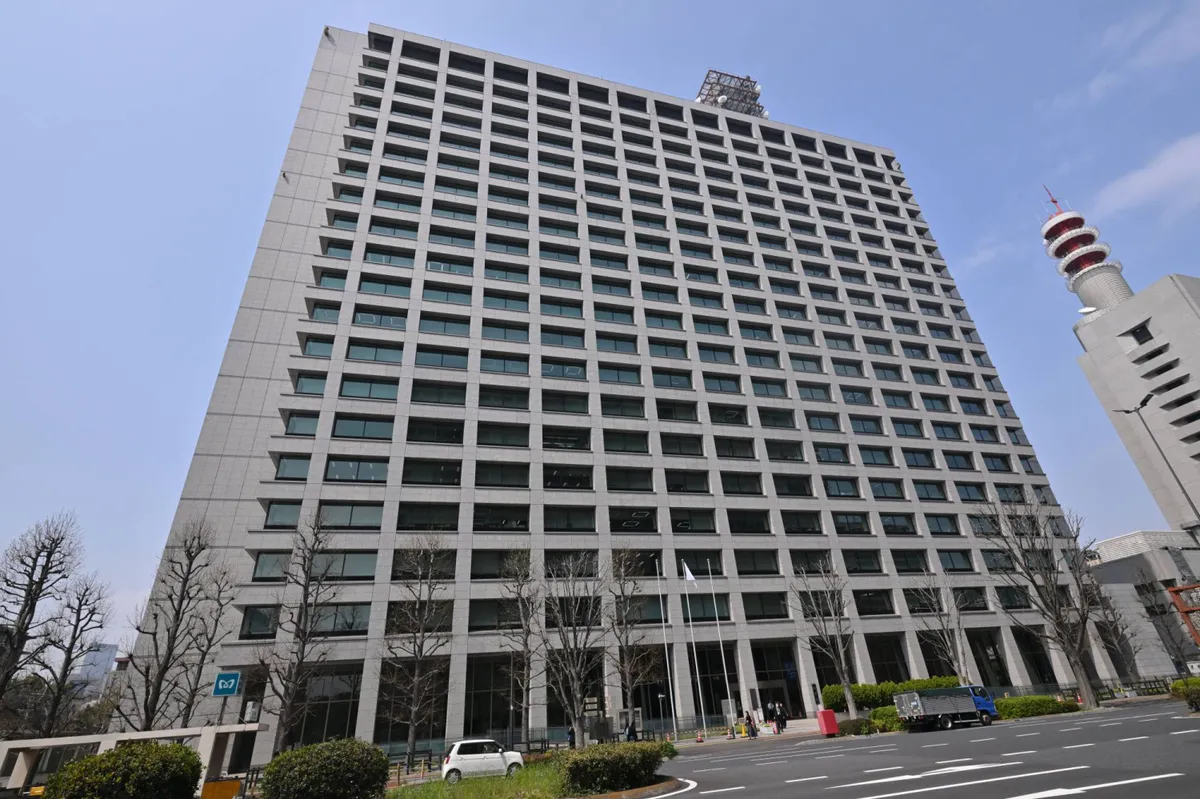
Japan’s internal affairs ministry plans to let deputies determine whether incapacitated governors and mayors can resign, using medical diagnoses as the basis for their decisions, according to ministry sources. The ministry intends to send local governments a notice outlining the policy.
The expected procedure would apply when an independent doctor diagnoses an illness or injury that makes a leader unlikely to recover consciousness. A deputy would decide on the resignation and report that decision to the relevant local assembly.
The proposal follows the case of Kikuo Hatakeyama, the former mayor of Hachirogata, Akita Prefecture, who became unconscious while holding office. In May, the town’s assembly adopted a no-confidence motion to make his resignation possible, describing its decision as difficult but necessary.
The local autonomy law contains no provision for leaders unable to communicate their wishes to leave office except through an assembly’s no-confidence vote or a recall petition from residents. Hachirogata subsequently sought a new provision permitting resignation on the basis of family requests or doctors’ diagnoses. A similar request came from the National Governors’ Association.
The ministry consulted academics and other experts while examining possible responses. Internal affairs minister Hisayuki Fujii is expected to explain how the ministry interprets the law.