Early Earth could have made water through reactions involving rock and hydrogen
Laboratory tests produced water vapor within minutes, but researchers have not established how much of Earth's current water formed through this process.
Earth's formation may have involved chemical reactions capable of producing water equivalent to hundreds of oceans, researchers at The University of New Mexico found. Their study, published in Nature Geoscience, examined whether the developing planet could generate water rather than depend entirely on deliveries from space.
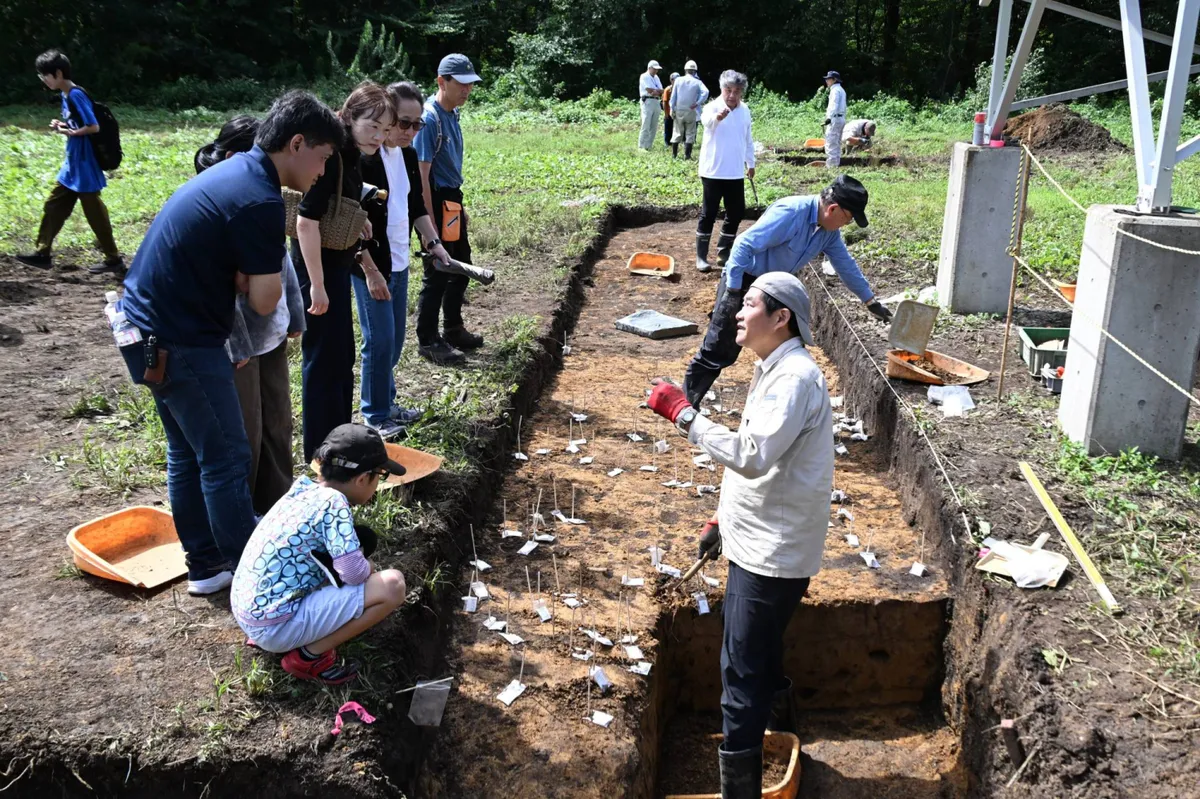
Led by graduate student Susmita Garai, the team heated silicate rock samples in flowing hydrogen, using temperatures of 1,200 to 1,400 degrees Celsius. Individual tests lasted from 15 minutes to three hours. Almost 80% of the samples' iron oxide became metallic iron, while the reaction generated water vapor. Comparable tests using helium did not yield the same reaction.
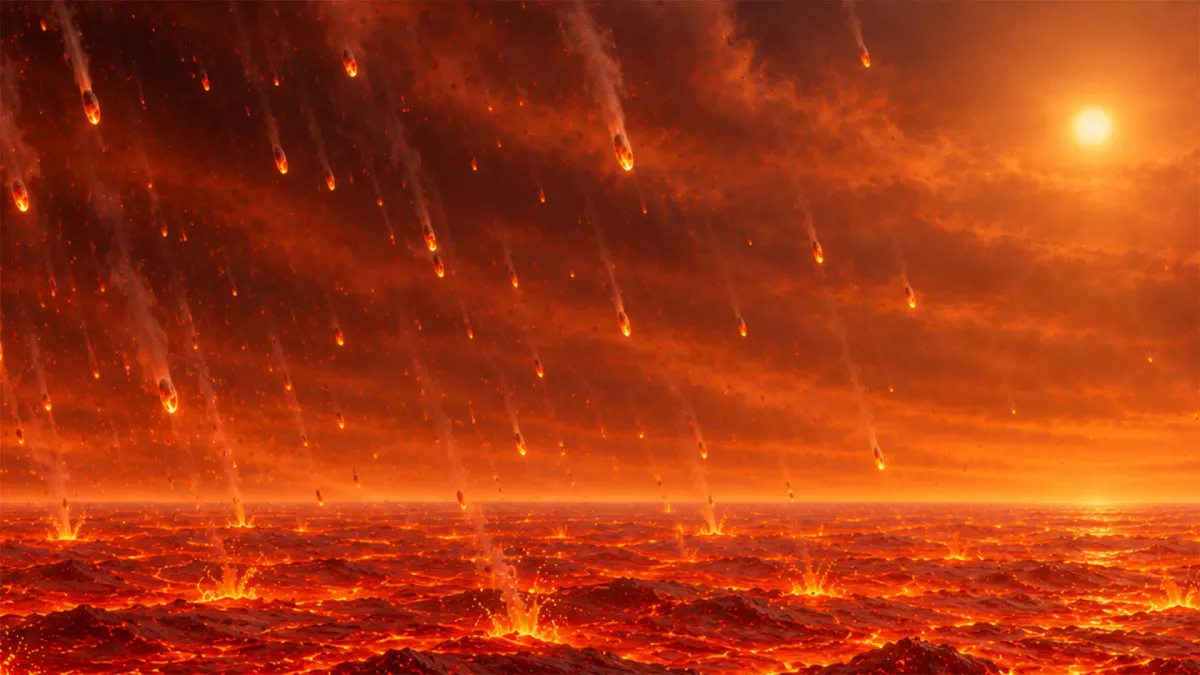
The proposed process would occur as small rocks descended through a hot atmosphere containing abundant hydrogen while Earth grew. Hydrogen could react with the rocks' iron oxide to create water vapor and metallic iron. By applying the laboratory results to conditions during Earth's formation, the researchers estimated that this mechanism might produce the vast quantities of water.
The findings also suggest that rocky planets elsewhere could generate water if similar atmospheric conditions develop. However, the experiments do not determine this process's share of Earth's existing water supply. Further work is needed to assess its contribution alongside deliveries by comets, meteorites and other objects.