
China outlines 2030 targets for elder care and childcare
The government blueprint calls for renovations at around 2,000 public nursing homes and broader childcare provision as births fall and the population ages.
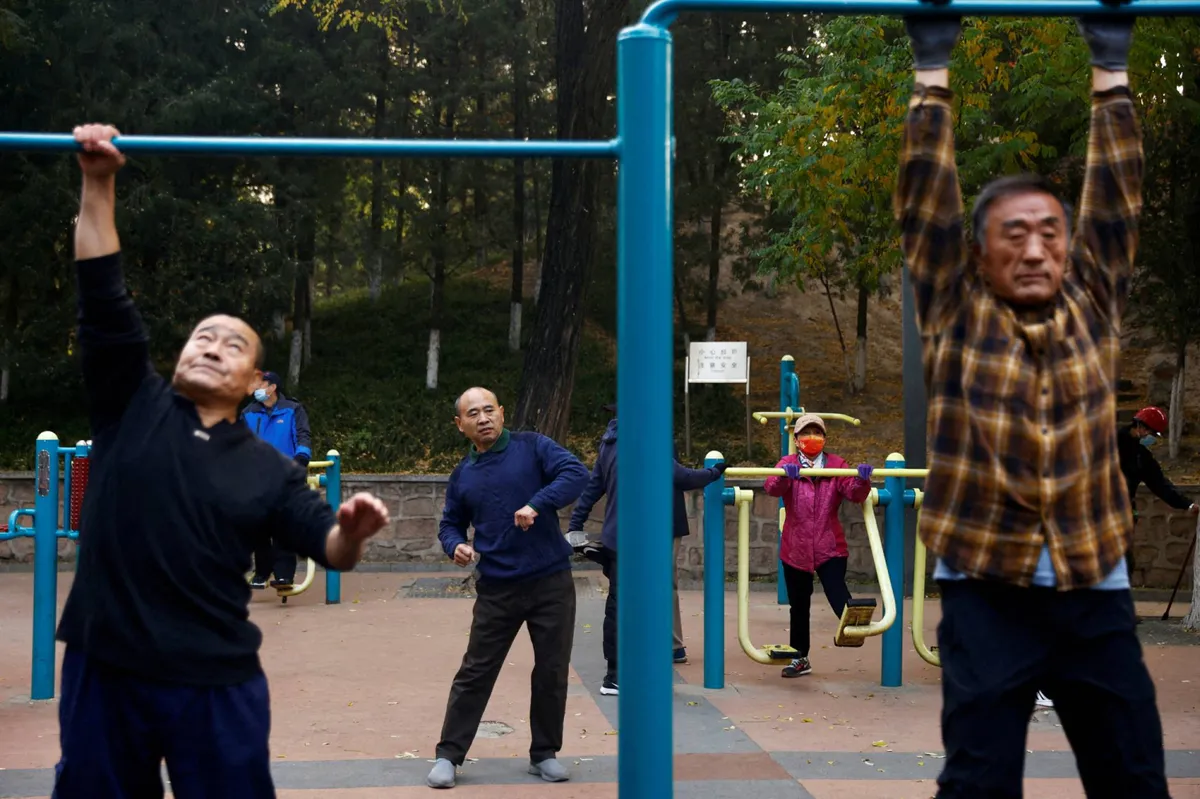
China has outlined a program to expand care capacity for older residents and young children by 2030, with targets for nursing beds, community facilities and childcare enrollment. The government blueprint combines construction spending with service improvements in response to population aging and declining births.
Under the plan, 73% of institutional elder care beds are to provide nursing care, and coverage by community facilities serving older residents is to reach 70%. Authorities also intend to renovate around 2,000 aging public nursing homes.
The childcare goals include establishing service centers throughout China's prefecture-level cities. For children under age 3, the targeted enrollment rate is 6 percentage points above the 2025 level. Kindergartens would receive support to adapt or enlarge their facilities for classes serving 2-to-3-year-olds, while employers are encouraged to offer care at work.
Funding is to come from the central budget, special bonds from local governments and commercial credit. The blueprint also calls for stronger monitoring of advance payments to nursing homes to combat fraud. It was posted on the National Development and Reform Commission website under joint guidance from the civil affairs, health and education ministries.
Births have continued to decline despite family subsidies, childcare assistance and efforts to cut medical expenses linked to childbirth. In 2025, China recorded its fourth successive annual population decline and a record-low birth rate. Official figures showed that the old-age dependency ratio overtook the child dependency ratio that year for the first time.