
SoftBank heads into earnings after share slide and blocked robotics deal
Debt insurance costs reached a four-year high as investors awaited quarterly results from the Japanese technology investor.
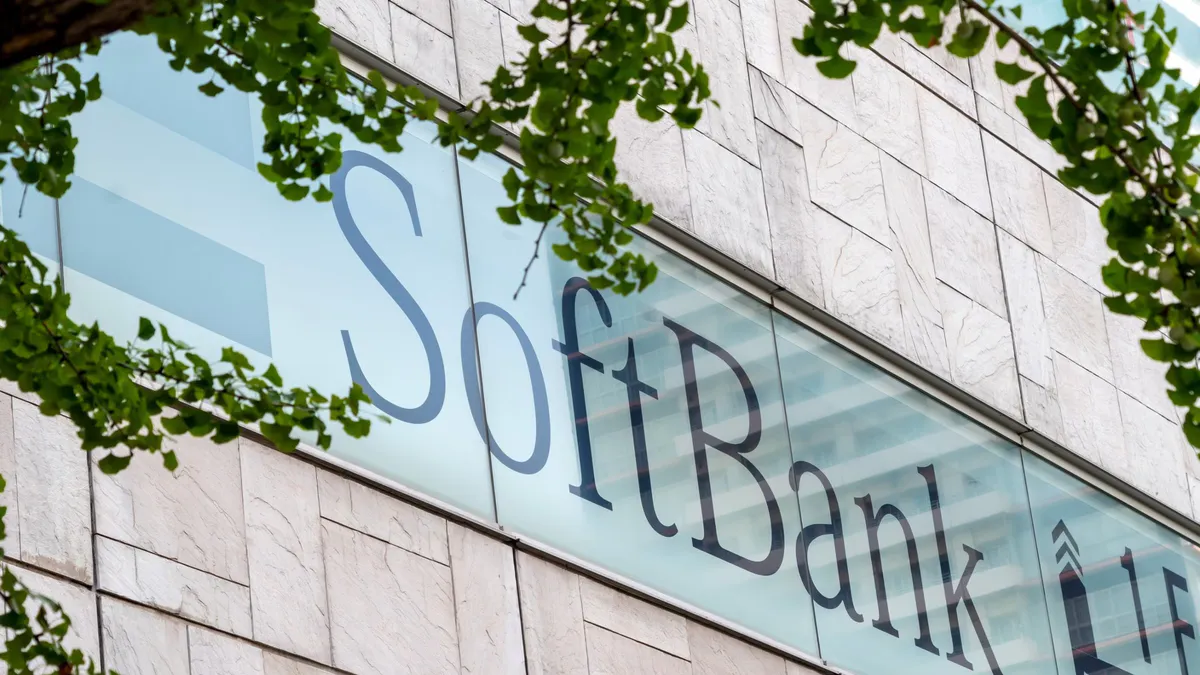
SoftBank Group faces investor scrutiny of its AI investments ahead of quarterly earnings, following a share-price fall of more than 11% in Tokyo and China's decision to block its planned robotics acquisition, Reuters reported.
The company's five-year credit default swap spread reached 466 basis points, its highest since October 2022, according to Markit figures cited by Reuters. The contracts insure against a borrower failing to repay debt.
ABB said China had blocked SoftBank's proposed US$5.4 billion acquisition of its robotics division. Agreed in October 2025, the transaction was central to SoftBank's expansion into physical AI, which applies the technology to robots and machinery.
Chinese officials were concerned that robotics data could be transferred abroad for AI training, the Financial Times reported. ABB said it remained in discussions with SoftBank about the transaction. A person familiar with the matter told Reuters that SoftBank was also talking with Chinese authorities.
SoftBank's AI holdings span model developers, data centers, chips and robotics. In October, it completed an additional US$30 billion investment in OpenAI, bringing its ownership of the ChatGPT developer to about 13%.