Payhawk raises $280 million as valuation reaches $2 billion
Goldman Sachs Alternatives’ growth equity arm led the Series C financing, which remains subject to regulatory approvals.
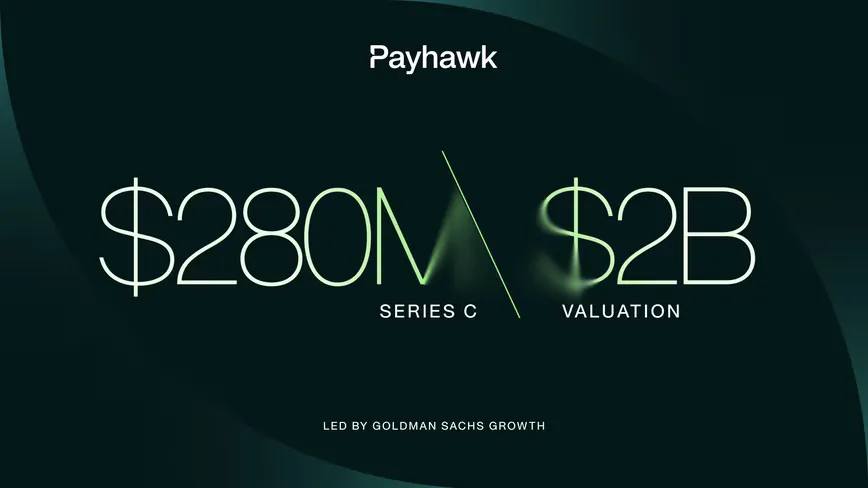
Spend management company Payhawk said it has raised $280 million in Series C funding at a valuation of $2 billion. The financing was led by the growth equity arm of Goldman Sachs Alternatives and still requires the customary regulatory approvals.
The valuation is double the $1 billion level reached in 2022, when Payhawk became Bulgaria’s first unicorn. The company said its cumulative fundraising now exceeds $515 million and that it retains 70% of the funds from its 2022 round.
Existing shareholders all participated, including Lightspeed, QED, Bek Ventures, Greenoaks and Hedosophia. Invus, Inveready, Galdana Ventures and Cogito Capital joined as new investors. Goldman Sachs Alternatives managing director James Hayward will take a seat on Payhawk’s board.
Payhawk provides corporate cards alongside software covering business travel, purchasing, invoices and expenses, with subscriptions accounting for most of its income. Its products also include AI agents for tasks including payments and purchasing.
The company reported positive cash flow for the third quarter and said 77% of its customers use its AI agents daily. It provided no revenue figure. Established in Sofia in 2018, Payhawk operates across 33 countries.