Forest losses put Madagascar’s wild pepper under pressure
An exporter says national tracking is lacking, while cultivation trials aim to make the pepper easier to pick.
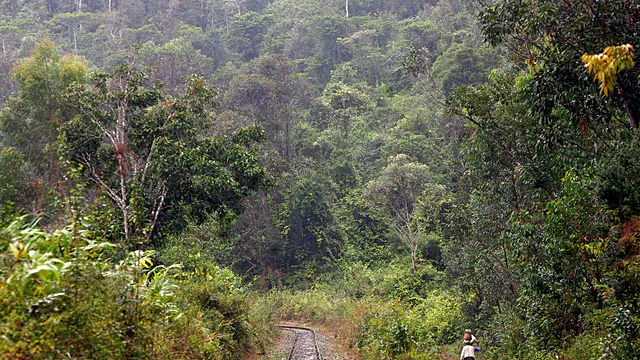
Madagascar’s Voatsiperifery pepper faces threats from habitat loss and destructive picking methods as demand draws harvesters into the forests. Figures from the UN Food and Agriculture Organization show the island lost 27 percent of its natural forests between 1990 and 2025.
The wild pepper, found only in Madagascar, climbs trees toward the canopy. Collectors frequently pull vines down to avoid climbing, sometimes felling the trees with them. Near Ambongamarina, northeast of Antananarivo, bush fires, charcoal-making and slash-and-burn farming have contributed to forest loss and declining harvests.
Herinaina Randrianarimanga, a farmer in the village, told AFP that searching for pepper now involves almost a full day’s walk. France is the spice’s largest export market, with prices there ranging from €150 to €200 per kilogram.
Bulk exporter Jacarandas cannot assess whether the resource is growing scarce without national monitoring of harvesting, distribution and exports, according to co-founder Mima Chateauneuf. She said organic products require traceability; organic pepper represents one-third of the company’s exports.
French chef Olivier Roellinger is collaborating on certification efforts linking authentic pepper to strictly regulated collection zones. He acknowledged, however, that those rules might be evaded.
Elsewhere, French-Malagasy entrepreneur Olivier Ramaherison has been testing cultivation methods intended to simplify picking. Thousands of trials yielded between 500 and 1,000 vines on terraces in the Mandraka forest, 60 kilometres east of Antananarivo. His team accidentally found that cuttings taken from horizontal branches stopped climbing, allowing the plants to grow near ground level without supporting trees.