
Japan plans textbook standard combining print and digital materials
Draft guidelines would prioritize paper and rule out digital-only textbooks for children in fourth grade and below.
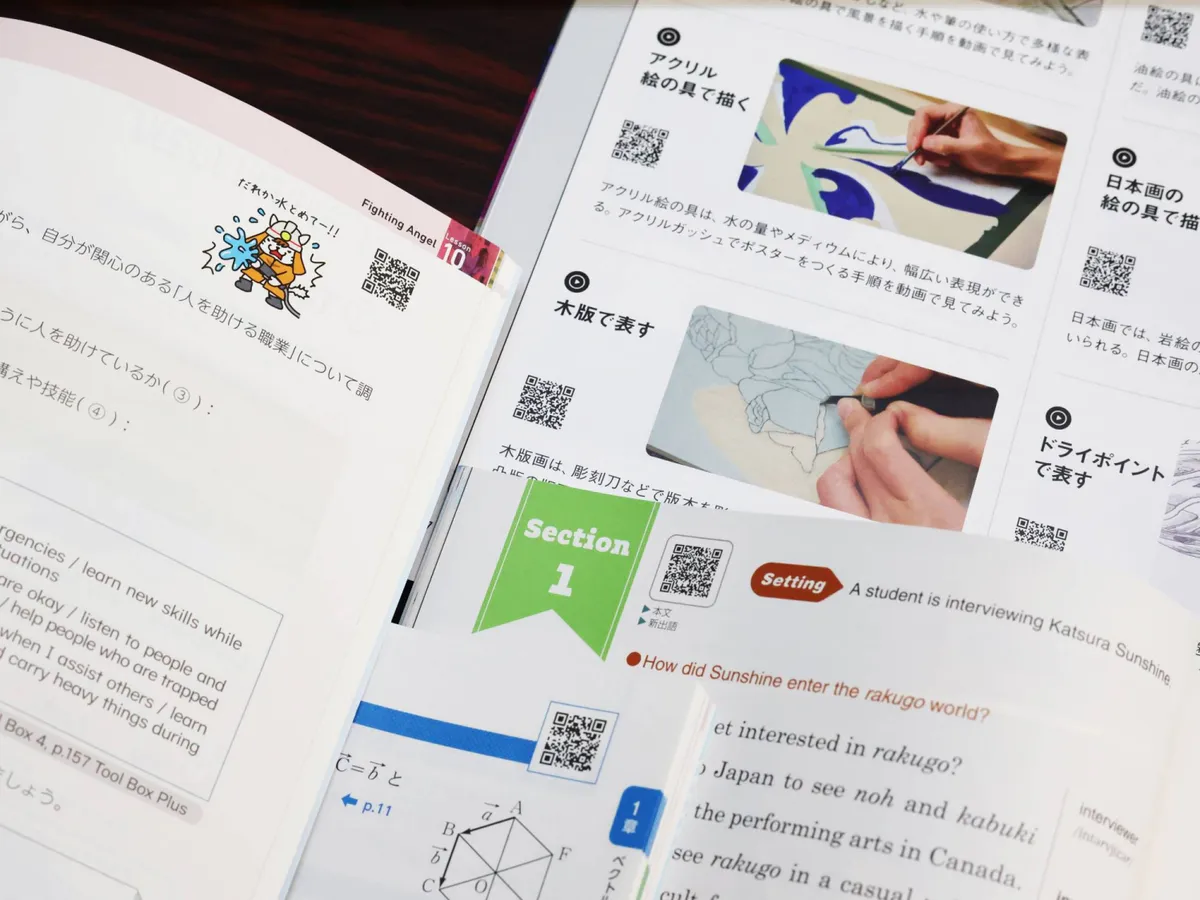
Japan’s education ministry plans to make textbooks combining printed and digital materials the norm across elementary, junior high and high schools starting in fiscal 2030, according to sources familiar with the matter. Paper would be the main component, with digital content providing support.
The proposed standard would cover every subject and grade at those schools, the sources said. The ministry intends to submit draft textbook guidelines to an expert panel and seek public comments before finalizing them.
For students in fourth grade or younger, the draft calls for textbooks consisting largely of printed materials, with digital content playing a restricted role. From fifth grade onward, print would remain the primary component of hybrid textbooks.
The draft would exclude digital-only textbooks through fourth grade. For older students, that format would be permitted only in certain subjects, including English, music and art.
A revision to Japan’s school education law, enacted in June, permits print-only, digital-only and hybrid textbooks from fiscal 2030. Publishers will select formats based on the guidelines, taking account of the subject and students’ development.
At a parliamentary meeting in April, then education minister Yohei Matsumoto opposed fully digital textbooks for fourth graders and younger children. He also said digital-only materials should remain excluded for the time being from subjects including Japanese language, social studies and moral education.