
Huang makes case for Nvidia chips as collateral for loans
Nvidia’s CEO says software improvements and versatility can keep its AI accelerators productive for eight years or longer.
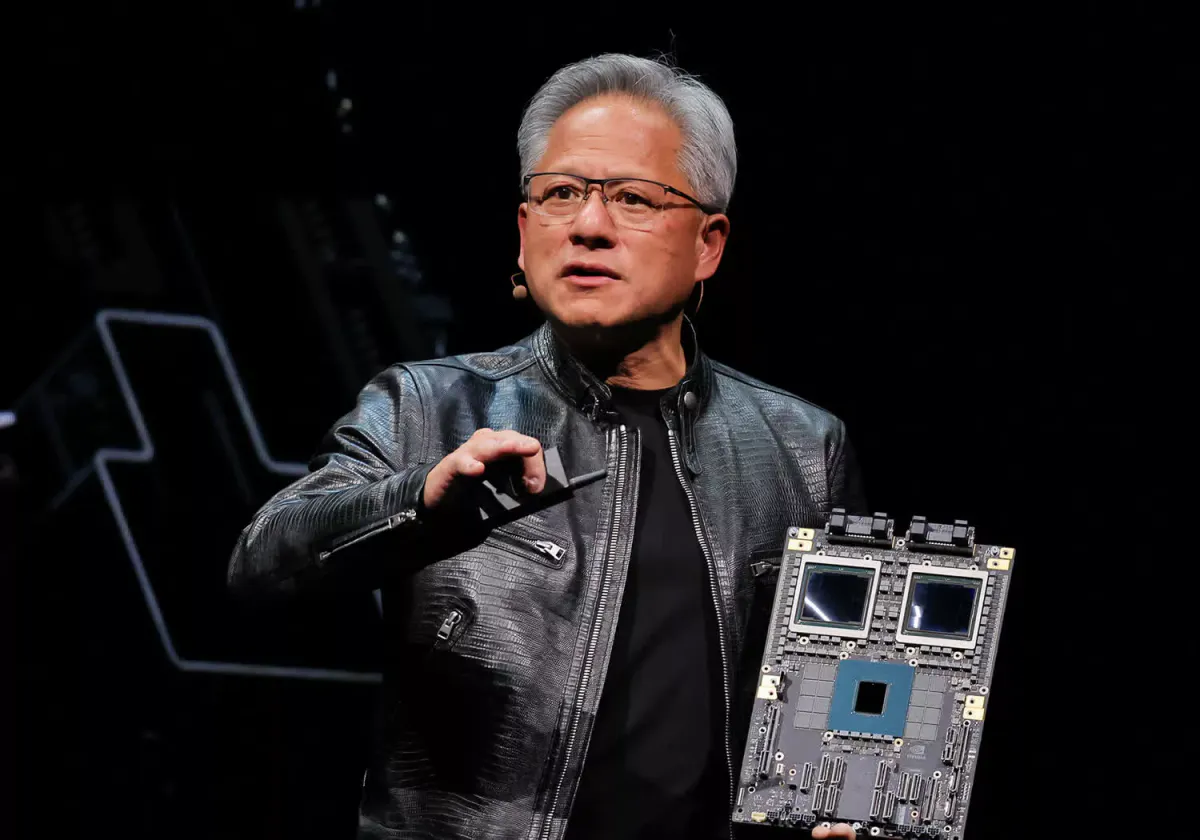
Nvidia CEO Jensen Huang argued that the company’s AI chips could provide collateral for borrowing, saying their usefulness across customers and computing tasks helps preserve their value. He characterized lending secured against the hardware as less risky than lending against any other asset.
Huang made the comments to Yahoo Finance’s Deirdre Bosa during Nvidia’s GTC gathering in Berlin. In his view, lenders and investors have not adequately accounted for the flexibility of the company’s accelerators when valuing AI infrastructure.
He said performance, adaptability and software upgrades can sustain productive operation for eight years or longer. Huang challenged the conventional four-year lifecycle for graphics processors as a measure of how long Nvidia systems remain useful.
TechSpot reported stronger-than-expected resale values for Nvidia’s A100 and H100 accelerators. B200 units have reportedly commanded rental or trading prices equivalent to 158% of the original purchase price.
Those prices alone do not fully describe the resale market. Industry insiders cited by TechSpot said valuations also reflect hardware condition, supply, system setup and the computing work buyers expect the accelerators to perform.